Gut pH & Gut Testing: What Your Stomach’s Acidity Reveals About Your Digestion and Health
You’ve probably heard the phrase “trust your gut,” but have you ever thought about what’s actually happening inside it? Beyond probiotics and clean eating, your gut has its own unique chemistry, and its pH balance may be quietly shaping everything from digestion to energy levels.
Even subtle shifts in acidity can affect which bacteria thrive, how well you absorb nutrients, and how your body feels after eating. In this article, we’ll breakdown why gut pH matters, what it can reveal about your digestion, how to test it at home, and when to consider GI-MAP testing, so you can uncover what’s really going on in your digestion and start restoring your gut health and energy from the inside out.
Why Gut pH Matters
Think of your gut like a finely tuned ecosystem, its balance depends a lot on pH, which measures how acidic or alkaline your digestive environment is. In your stomach, strong acidity activates digestive enzymes like pepsin, breaks down protein, and keeps harmful microbes in check.
As food moves into your small intestine, your body releases bicarbonate to neutralize that acid, raising the gut pH closer to neutral (around 6–7). This shift allows enzymes to continue breaking down carbs, fats, and proteins efficiently.
When gut pH falls out of balance, digestion unravels from the top down, leading to bloating, gas, poor nutrient absorption, and changes in the microbiome. Research shows that even small pH shifts can reshape microbial balance, slow metabolism, and weaken immune defenses.
The Reflux Myth: Why Heartburn Often Means Low Stomach Acid, Not High
Here’s something that surprises most people: heartburn and reflux often stem from low stomach acid, not too much. When your body doesn’t produce enough acid, a condition called hypochlorhydria, food lingers in the stomach, fermenting and creating gas and pressure. That pressure pushes upward on the lower esophageal sphincter, causing the familiar burning sensation.
While acid-suppressing medications may relieve discomfort, they don’t fix the root cause. In fact, reducing stomach acid further can slow digestion, block nutrient absorption, and disrupt your gut microbiome over time. Supporting proper acid production, rather than suppressing it, is often key to restoring true digestive balance.
The Baking Soda Test: A Quick At-Home Check for Low Stomach Acid
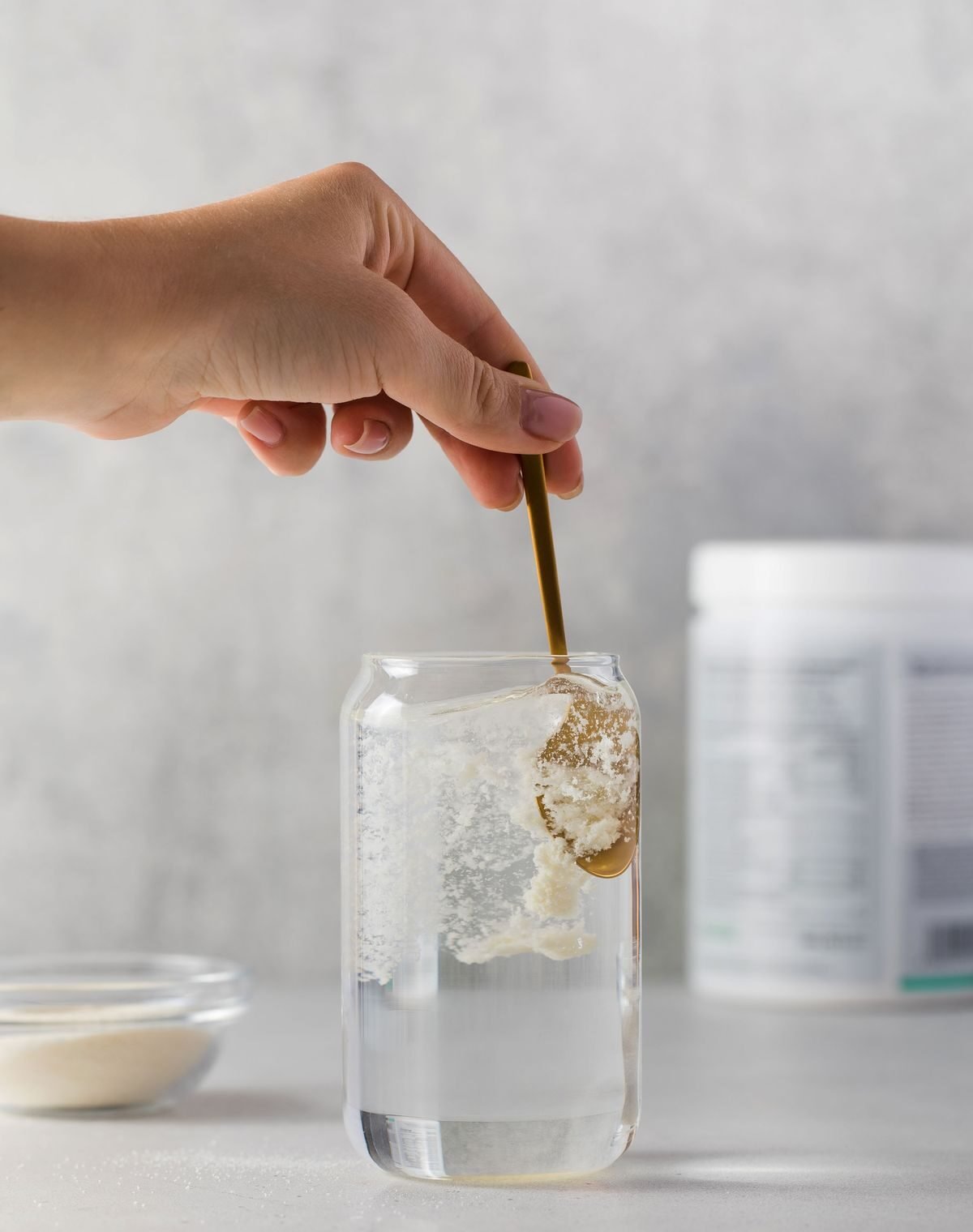
If you want a quick, functional glimpse into your stomach acid levels, try this simple at-home baking soda test. It’s not a diagnostic tool, but it can give helpful insight into how well your upper digestion is functioning.
Here’s how to do it:
- First thing in the morning, before eating or drinking anything, mix ¼ teaspoon of baking soda in 4–6 ounces of water.
- Drink it on an empty stomach.
- Start a timer ⏱️ and notice when you begin to burp.
How to interpret your results:
- Within 1–2 minutes: Normal stomach acid levels.
- Around 3–5 minutes: Possible low stomach acid.
- After 5+ minutes or no burping: May indicate sluggish or low acid production (hypochlorhydria).
Why it works:
- When baking soda meets stomach acid, it creates carbon dioxide gas, that’s what causes the burp.
- The timing of that reaction gives a functional clue about your acid levels, but remember it’s just a guide, not a diagnosis.
A few cautions:
🚫 Skip this test if you’re taking acid-suppressing medications (like PPIs or H2 blockers) or if you have ulcers, gastritis, or active reflux. This test only reflects your stomach’s acid activity; not what’s happening further down in your small intestine or microbiome.
Why Your Gut pH Gets Out of Balance and How to Restore It Naturally
Common causes of gut pH imbalance include:
Chronic stress – Elevated cortisol suppresses stomach acid and slows GI motility and digestion.
- Age – Acid production naturally declines with age, especially after 50.
- Antacid or PPI use – Long-term use can lower acid levels and alter your gut microbiome.
- H. pylori infection – This common bacteria can neutralize acid and damage the stomach lining.
- Nutrient deficiencies – Low levels of zinc, B vitamins, or chloride can reduce acid production.
- Poor eating habits – Eating quickly, under stress, or drinking too much with meals blunts acid output.
- Microbiome imbalances – Overgrowth of bacteria or yeast (like SIBO or Candida) can shift fermentation and pH in the small intestine.
How to Improve Low Stomach Acid and Restore Gut pH Balance
If your baking soda test suggests low acid (burping after 3–5 minutes or not at all), here are simple, evidence-based steps to start rebalancing, always with your clinician’s guidance:
- Try digestive bitters or apple cider vinegar (1–2 tsp in water before meals) to naturally stimulate stomach acid and enzymes, if tolerated.
- Eat in a relaxed state. Slow down, chew thoroughly, and take a few deep breaths before eating to activate your parasympathetic (“rest and digest”) system.
- Limit large amounts of water with meals, which can dilute stomach acid and slow digestion.
- Include zinc and B-vitamin rich foods. Foods like pumpkin seeds, eggs, shellfish, and leafy greens to help support acid production and digestive enzyme activity.
- Work with a qualified practitioner if symptoms like bloating, reflux, fatigue, or constipation persist. Comprehensive gut testing can uncover deeper imbalances driving these issues.
The Deeper Dive: Comprehensive Gut Testing
If digestive symptoms continue, remember that the baking soda test offers helpful clues, but it’s only the starting point. For a deeper look, functional labs like the GI-MAP (Gastrointestinal Microbial Assay Plus) or the Organic Acids Test (OAT) provide a comprehensive view of what’s truly happening inside your gut.
What the GI-MAP Measures:
🦠 Beneficial vs. pathogenic bacteria — to assess microbiome balance
🍄 Fungal or yeast overgrowth — such as Candida
🧫 Parasites & viruses — that may disrupt digestion
🍽️ Digestive function markers — including pancreatic enzyme and fat digestion efficiency
🔥 Inflammatory markers — like calprotectin and secretory IgA
♻️ Detox and hormone-related markers — such as beta-glucuronidase, which affects hormone metabolism
GI-MAP testing helps pinpoint why your gut pH may be off, whether from dysbiosis, low enzyme output, inflammation, or chronic stress. With accurate data, you can move from guessing to understanding what your body truly needs for lasting balance.
Key Takeaways: Understanding Gut pH & Gut Testing
Your gut pH is the conductor of your digestive system, keeping acid, enzymes, and microbes in harmony. When that balance is disrupted, symptoms like bloating, reflux, fatigue, and food sensitivities often follow.
✨ The baking soda test offers quick insight, but GI-MAP testing goes deeper, revealing root causes and guiding precise, personalized nutrition strategies for lasting gut healing.
If gut symptoms are holding you back, it’s time to stop guessing and start testing. Book your free 15-minute consultation with Next Generation Nutrition to discover how gut health and GI-MAP testing can uncover hidden imbalances and create a personalized roadmap to restore your energy, digestion, and vitality.