Holiday Stress Is Real: Protecting Your Gut, Your Mind & Your Metabolism This Season
The holidays are here, and while this season is filled with joy, connection, and tradition, it also brings a level of stress that can easily throw us off balance. And chances are, you’ve felt it, too.
Maybe you’re worried about overeating, losing your gut-healing progress, or navigating food sensitivities. Or maybe it’s not the food at all, it’s the stress: the family dynamics, the travel, the hosting, the expectations, and the pressure to hold it all together.
If any of that resonates, you’re not alone. Holiday stress and gut health are deeply connected, which is exactly why this time of year can feel so intense, physically, mentally, emotionally, and metabolically.
Understanding why your body reacts the way it does during the holidays and learning how to support your gut, can transform the entire experience. When the physiology behind stress, cravings, and digestion becomes clear, the season feels less overwhelming and far more manageable.
Why the Holidays Feel Hard on Your Gut
Before blaming yourself for overeating, bloating, fatigue, mood shifts, or feeling “off,” it’s essential to understand what’s happening behind the scenes. Your body isn’t misbehaving; it’s responding to a unique combination of physiological stressors that show up every holiday season.
1. Cortisol Spikes from Stress
Travel, hosting, social dynamics, crowds, and disrupted routines all raise cortisol. Elevated cortisol can:
- Slow digestion, making it harder to break down and absorb food
- Increase cravings for sugar and refined carbohydrates
- Destabilize blood sugar, leading to spikes, crashes, and increased hunger
- Increase inflammation, contributing to bloating, fatigue, joint pain, or skin flare-ups
- Weaken the gut barrier, causing increased sensitivity and reactivity
High cortisol lowers stomach acid and digestive enzymes, making it physically harder to digest your food. This is why a completely “normal” holiday meal can suddenly trigger reflux, bloating, or nausea.
2. Blood Sugar Swings
Holiday meals typically combine large portions of high-carbohydrate and high-fat foods. This disrupts hunger hormones:
- Ghrelin increases, making you feel hungrier even if you’ve eaten a full meal.
- Leptin decreases, making it harder to feel full and easier to overeat.
This is physiology, not a lack of discipline. When cortisol and blood sugar are unstable, the body is wired to seek more food and quick energy.
3. Social Pressure & the Nervous System
You cannot digest well if you’re in fight-or-flight mode. Subtle stressors such as tense conversations, crowded rooms, emotional triggers, or hosting pressure activate the sympathetic nervous system and reduce digestive function by up to 50%.
That means:
- Food stays in the stomach longer
- Gas and bloating increase
- Enzyme production drops
- Motility slows
- Reflux is more likely
This is why you may tolerate food at home but struggle with it at someone else’s table: the environment, not the food, is the variable. Your body is simply prioritizing survival over digestion.
If You’re Worried About Overeating or Weight Gain
- Eat Breakfast: Never “Save Up”
Skipping meals spikes cortisol and causes a blood sugar crash that guarantees overeating later. Start your day with 25–35g of protein to stabilize hunger hormones.
- Use the Protein & Fiber Buffer
Your first bites set the metabolic tone. Start with:
- Turkey or salmon
- Roasted vegetables
- Salad
- Hummus & vegetables
This can reduce blood sugar spikes and cravings by up to 30–40%.
The Plate Pause
Halfway through your meal, pause for 1–2 minutes. Put your fork down. Breathe. Notice fullness cues.
- The 90% Rule
Eat until you’re satisfied, not stuffed. You will digest better and feel better.
- One Meal Doesn’t Undo Your Progress
Post-holiday weight fluctuations are typically:
- Water retention
- Increased salt
- Inflammation
- Stored glycogen
Not fat gain. Your progress doesn’t disappear in a day.
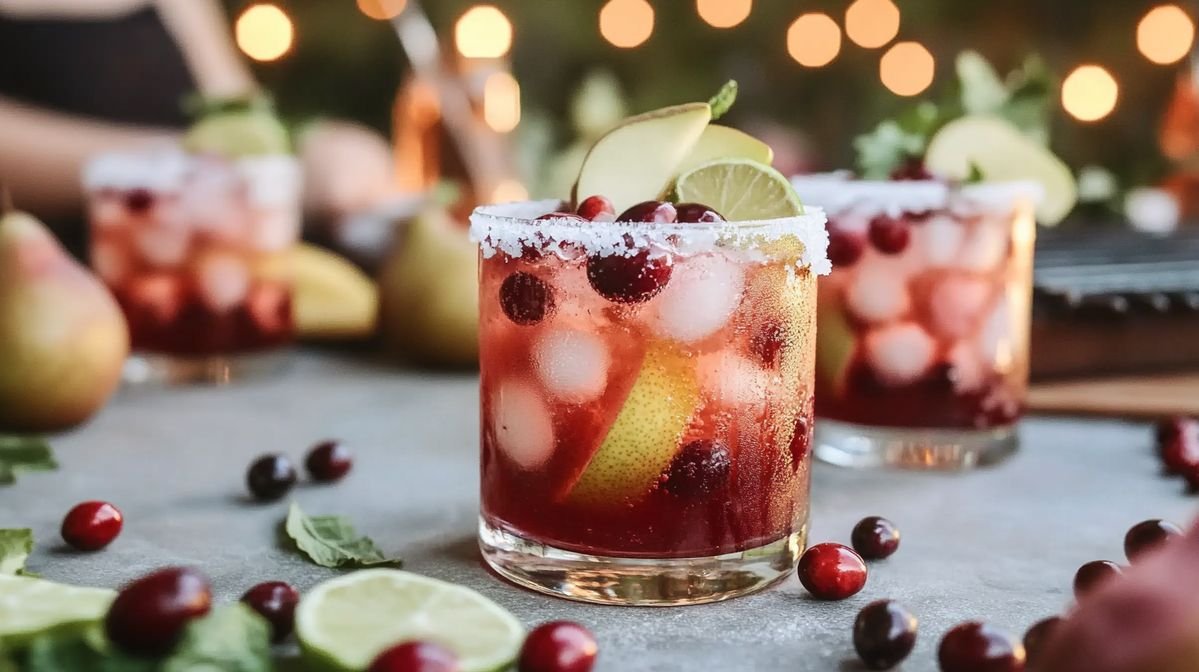
Alcohol, Gut Health & the Holidays: What You Need to Know
Alcohol is more than just a beverage, it’s a physiological disruptor, especially during a stressful season.
- Alcohol Lowers Stomach Acid
Stomach acid is essential for breaking down protein, activating digestive enzymes, and moving food efficiently through the stomach. When stomach acid drops, it often leads to poor protein digestion, bloating, nausea, heaviness, and reflux. If you have IBS, SIBO, food sensitivities, or anxiety, this effect is amplified.
- Alcohol Disrupts the Microbiome
Even one night of moderate drinking can:
- Reduce beneficial bacteria
- Increase gut permeability (“leaky gut”)
- Trigger inflammatory immune responses
This explains why you may feel puffy, swollen, fatigued, or inflamed the next day.
- Alcohol Increases Overeating
Biologically, alcohol increases hunger hormones while suppressing fullness signals. At the same time, it destabilizes blood sugar, which drives stronger cravings for salty, sugary, and high-fat foods.
- Alcohol Impairs Sleep
Alcohol disrupts deep sleep and REM cycles. Poor sleep increases:
- Cravings
- Blood sugar instability
- Inflammation
- Digestive sluggishness
How to Drink Smarter
- Eat protein & healthy fat before drinking, to slow alcohol absorption and stabilize blood sugar
- Avoid drinking on an empty stomach, this intensifies every negative effect.
- Choose cleaner options with fewer additives, less sugar, and lower fermentation byproducts: (tequila, vodka, gin, dry wine, champagne)
- Follow a 1:1 alcohol-to-water ratio
- Sip slowly, to keep blood alcohol levels more stable.
- Pre-set a boundary (“I’m sticking to two drinks tonight”)
Support yourself the next morning with electrolytes, ginger or lemon tea, magnesium, walking, and a protein-rich meal.
If You Have IBS or Food Sensitivities
Holiday meals can feel overwhelming, but the right strategies create safety and confidence.
- Bring a Safe Dish
Always guarantee you have at least one symptom-safe option.
- Use Gentle Digestive Support
Digestive enzymes, ginger or peppermint tea, or diluted apple cider vinegar can help ease digestion.
- Protect the Gut Lining
Support with nutrients such as L-glutamine, zinc carnosine, aloe vera, or marshmallow root.
- Prioritize a Calm Nervous System
Your state determines your digestion:
• A short walk
• Slowing your breath before eating
- 4–7–8 breathing
These simple tools help your gut stay supported, even in stressful environments.
A Mindset Reframe to Reduce Holiday Stress and Support Digestion
You can enjoy the holidays and protect your gut; both are absolutely possible.
If you’re ready to lower holiday stress, improve digestion, and feel more in control of your gut health, this is the moment to take action.
Book your free consultation with Next Generation Nutrition, and explore the Gut Reset Method.
Your body deserves to feel calm, supported, and resilient, through the holidays and beyond. Your healthiest, most gut-friendly season starts now.