Trying to Conceive? Here’s What Your Body Needs Beyond a Prenatal Vitamin
So many of my clients start the same way when they begin trying to conceive: they pick up a prenatal vitamin and figure that’s the nutrition piece handled.
A good prenatal is genuinely important, folate especially. But a prenatal vitamin is designed to fill nutrient gaps, not to actively support egg quality, hormone balance, or the metabolic environment your body needs for conception. That’s a bigger picture, and it starts well before a positive test.
Why Preconception Nutrition Is Its Own Category
Research is clear that optimizing nutrition and health before conception affects not just your chances of getting pregnant, but the health of the pregnancy itself and, longer term, the health of your child. This window matters more than most people realize, and it’s not just about the person carrying the pregnancy.
Sperm takes roughly 74 days to fully develop. That means a partner’s nutrition and lifestyle choices today are shaping sperm quality two to three months from now. Preconception nutrition is a couple’s project, not a solo one.
The Micronutrients That Matter Most
Beyond folate, a handful of nutrients show up consistently in the fertility research as directly supporting reproductive health:
Vitamin D. Involved in hormone regulation and implantation. Deficiency is common and easy to miss without testing.
Iron. Low iron stores are associated with ovulatory difficulties. This is especially relevant if you have heavier periods.
Selenium and antioxidants (vitamin E, vitamin C, CoQ10). These support oocyte quality by protecting eggs from oxidative stress, which becomes more relevant with age.
Choline. Critical for fetal brain development from the earliest weeks, and most prenatal vitamins contain far less than what’s actually recommended.
Omega-3 fatty acids. Support hormone production and are linked to improved egg quality and reduced inflammation.
Dietary Pattern Matters More Than Any Single Nutrient
Here’s a finding I really want more people trying to conceive to hear: research comparing overall dietary patterns found that a Mediterranean-style diet has the strongest and most consistent association with improved clinical pregnancy rates, more so than any single supplement.
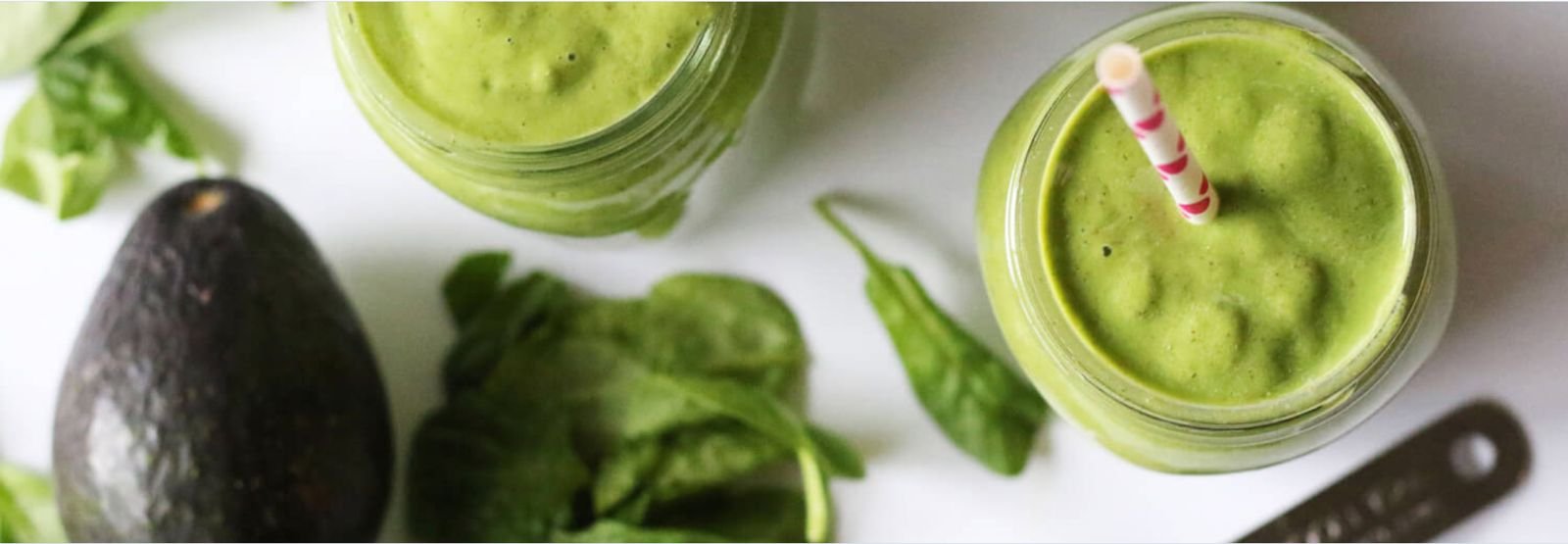
What that looks like in practice: plenty of vegetables, whole grains, legumes, olive oil, fatty fish, and nuts, with reduced intake of trans fats, saturated fats, fast food, and sugar-sweetened beverages. Fast food and heavily processed food intake specifically shows up in the research as working against pregnancy and live birth rates.
It’s Not Just About Her (It takes two!)
This part gets left out of almost every prenatal conversation. Male partner nutrition directly affects sperm shape, motility, and count. Antioxidant intake in particular has a measurable effect on sperm quality. If you’re trying to conceive as a couple, both plates matter, starting at least two to three months before you start trying.
What I’d Actually Recommend
- Keep the prenatal, but don’t stop there. Look specifically at your choline, vitamin D, and iron status, ideally with actual lab testing rather than guessing.
- Shift toward a Mediterranean-style pattern for at least three months before trying, not just the week you find out you’re pregnant.
- Reduce alcohol, cut back on caffeine, and get body composition into a healthy range before conception, since all three are modifiable factors shown to affect outcomes.
- Bring your partner into it. Sperm quality is on a roughly three-month cycle, so his nutrition matters just as much as yours, starting now.
- Test, don’t guess. Nutrient deficiencies, thyroid function, and blood sugar regulation all affect fertility and are all things we can actually measure.
A Prenatal Is a Start, Not a Strategy
If you’re actively trying to conceive, or thinking about it in the next few months, this is exactly the window where nutrition has the most leverage. It’s also the piece most people get the least guidance on beyond “take a prenatal.”
Thinking about conception and want a real nutrition plan, not just a vitamin? Book a free 15-minute discovery call with me. We’ll build a plan around what your body actually needs right now.
And grab our free Gut Healing Meal Plan — gut health plays a bigger role in hormone balance and fertility than most people expect.
Research Cited
- Nutrition for Preconception Health and Fertility. Annals of Nutrition and Metabolism (2025). PubMed 40228488
- Nutritional Interventions for Enhancing Female Fertility: A Comprehensive Review of Micronutrients and Their Impact. PMC (2025). PMC12343174
- Assessing the influence of preconception diet on female fertility: a systematic scoping review of observational studies. PMC (2023). PMC10663051
- Diet, Maternal Nutrition, and Reproductive Health — From Preconception to Postpartum and Beyond. PMC (2025). PMC12899717
Written by Jessica Mantell, M.S., LDN, Founder of NextGeneration Nutrition, Miami