Taking a GLP-1? Here Are 3 Ways to Support Your Results
GLP-1 medications like Ozempic, Wegovy, and Zepbound have changed the conversation around weight management. But one thing I always emphasize to my clients is that losing weight and improving your overall health aren’t necessarily the same thing.
While these medications can help regulate appetite and support weight loss, your nutrition and lifestyle habits play an important role in preserving muscle, supporting digestion, and maintaining long-term results.
Here are three areas I encourage my clients to prioritize.
Prioritize Protein to Preserve Muscle
One concern during significant weight loss is losing lean body mass alongside fat.
Because GLP-1 medications suppress appetite, meeting daily protein needs can become more challenging.
Adequate protein supports muscle maintenance, recovery, and overall body composition.
I encourage clients to distribute protein throughout the day by incorporating foods like eggs, Greek yogurt, chicken, fish, tofu, or protein-rich snacks.
Individual protein needs depend on factors such as activity level, body composition, and medical history.
Incorporate Resistance Training
Weight loss doesn’t always tell us what’s happening to body composition.
Research shows that resistance training helps preserve muscle mass and improve strength during weight loss.
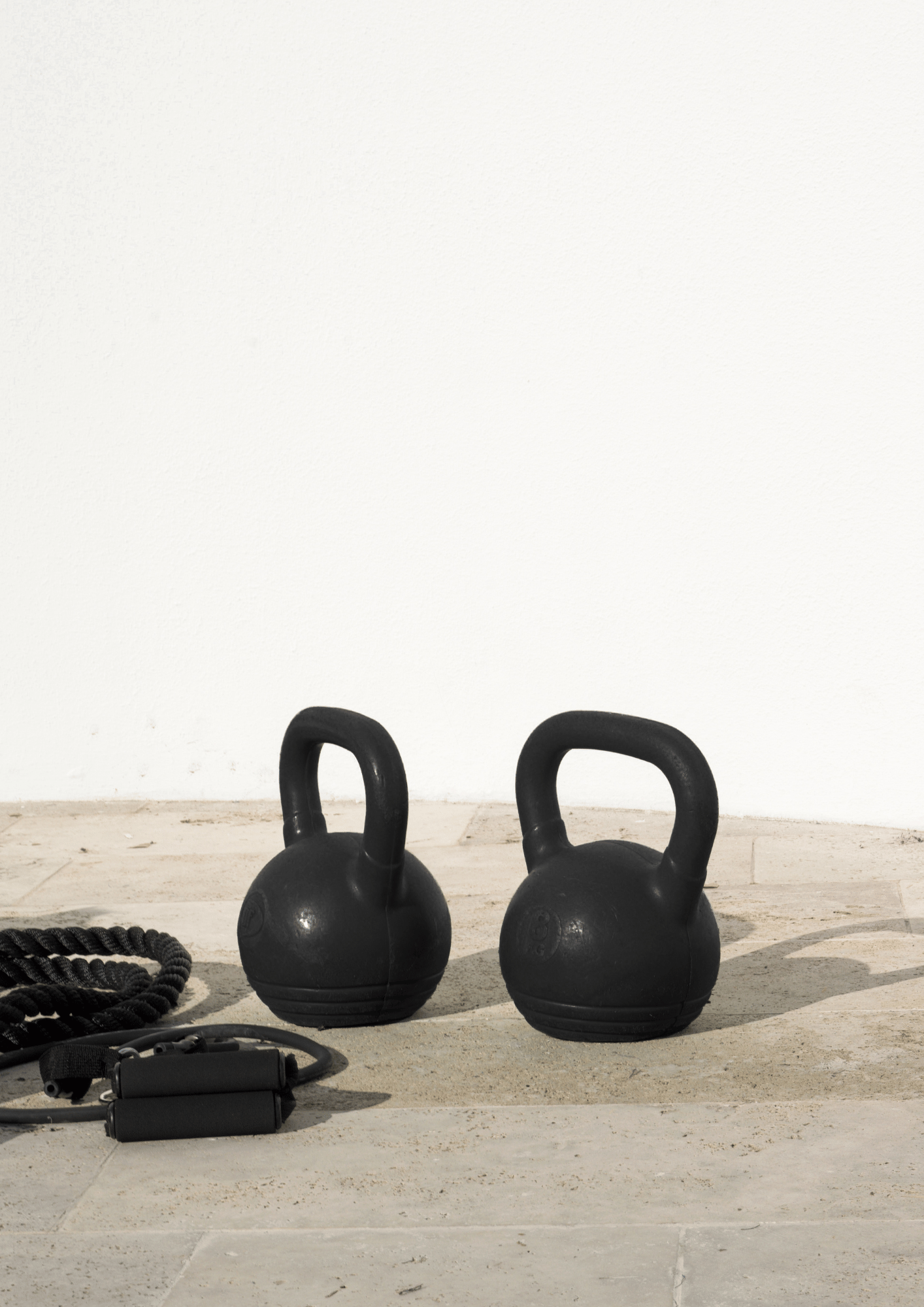
I encourage clients to incorporate strength training at least twice per week, whether through weights, resistance bands, or bodyweight exercises.
The goal isn’t simply to lose weight. It’s to maintain muscle, improve metabolic health, and support long-term physical function.
Support Digestion and Nutrient Intake
GLP-1 medications slow gastric emptying, which can contribute to nausea, bloating, constipation, and early fullness.
When appetite decreases, nutrient quality becomes even more important.
A few strategies I recommend include:
- Eating smaller, nutrient-dense meals
- Increasing fiber gradually
- Staying adequately hydrated
- Incorporating fruits, vegetables, legumes, and healthy fats
These habits can support digestive comfort and help clients meet their nutritional needs throughout treatment.
The Takeaway
In my work with clients, I emphasize that successful GLP-1 therapy goes beyond the number on the scale.
Protein, resistance training, and adequate nutrition work together to support muscle preservation, digestive health, and sustainable lifestyle changes.
The goal isn’t just weight loss. It’s improving your health, strength, and quality of life along the way.
Research Cited
Wharton, S., et al. (2025). Nutritional priorities to support GLP-1 therapy for obesity: A joint advisory from the American College of Lifestyle Medicine, the American Society for Nutrition, the Obesity Medicine Association, and The Obesity Society. The American Journal of Clinical Nutrition.
Wilding, J. P. H., et al. (2021). Once-weekly semaglutide in adults with overweight or obesity. The New England Journal of Medicine, 384, 989–1002.
Jastreboff, A. M., et al. (2022). Tirzepatide once weekly for the treatment of obesity. The New England Journal of Medicine, 387, 205–216