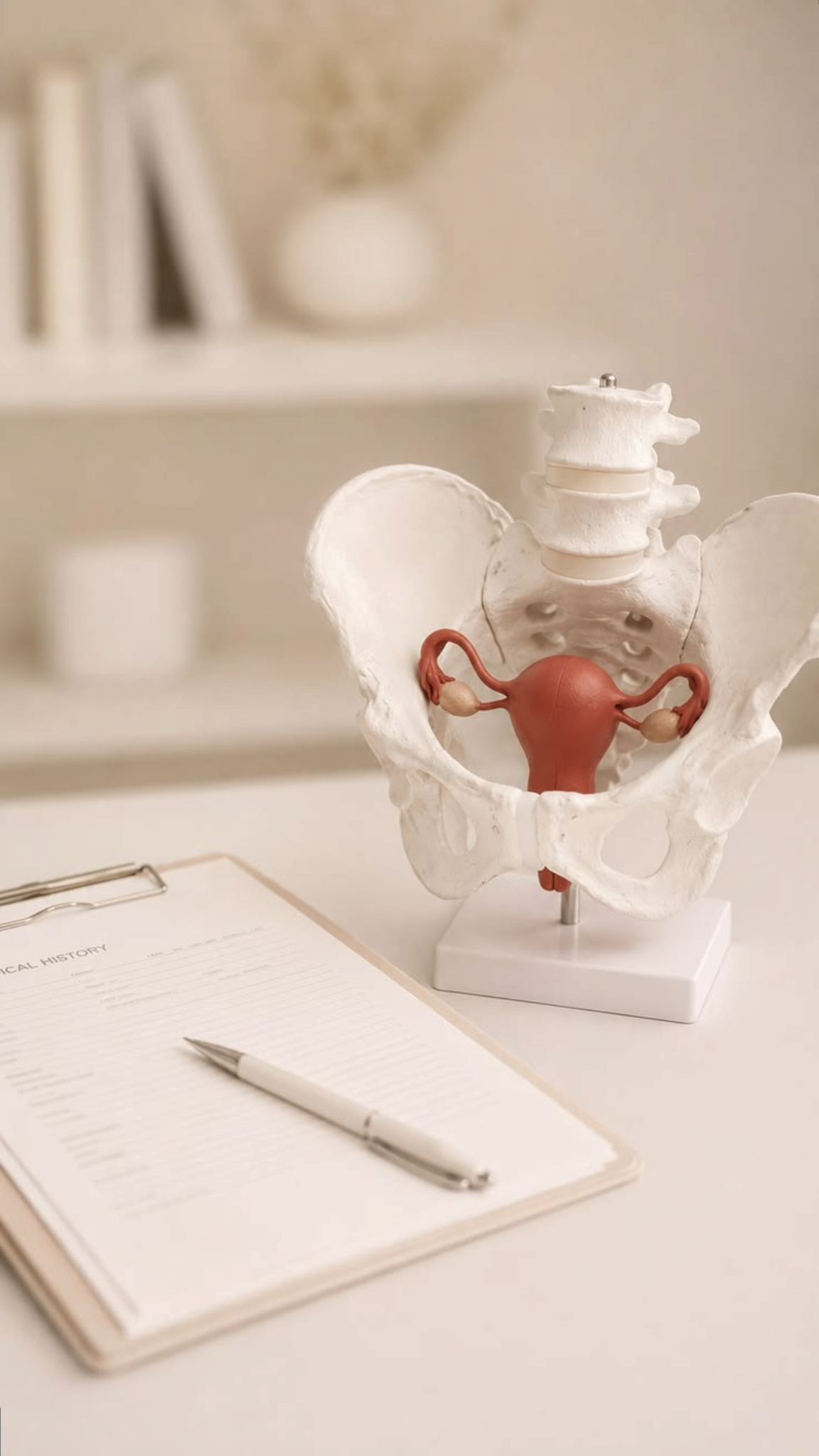
Gut Health and Your Menstrual Cycle: How Your Gut Shapes Hormone Balance
Your menstrual cycle is one of the most powerful indicators of your internal health especially when it comes to your hormones, metabolism, and digestion. What many women don’t realize is that their gut health and menstrual cycle are deeply connected. When your gut is inflamed, sluggish, or out of balance, it can alter your hormone levels, disrupt ovulation, and trigger symptoms like PMS, bloating, cramping, fatigue, and mood swings.
These symptoms aren’t random, they’re your body’s way of signaling that something deeper is off. Your gut and hormone systems are in constant communication through the microbiome, nervous system, and liver detox pathways. When one of these systems becomes overloaded or imbalanced, it can lead to irregular cycles, painful cramping, and heightened PMS symptoms. Understanding this gut-hormone connection helps you take charge of your cycle instead of feeling controlled by it.
Let’s explore what a healthy cycle looks like, how gut health influences it, and what steps you can take to restore harmony.
What a Healthy Menstrual Cycle Looks Like
A healthy menstrual cycle typically lasts 21 to 35 days, with 3 to 7 days of bleeding. It includes four distinct phases that each play a unique role in your hormonal rhythm:
- Follicular Phase (Days 1–14): Estrogen rises as your body prepares an egg for ovulation.
- Ovulatory Phase (Around Day 14): A surge in luteinizing hormone (LH) triggers ovulation.
- Luteal Phase (Days 15–28): Progesterone rises to stabilize mood and support uterine lining.
- Menstrual Phase: A drop in estrogen and progesterone triggers bleeding, restarting the cycle.
If your cycles are too short, too long, or marked by heavy bleeding, painful cramps, fatigue, or irregular flow, these are signs that something deeper is off. Hormonal imbalance can often be traced to stress, low nutrient intake, thyroid dysfunction, or gut dysbiosis.
When PMS interferes with your work, relationships, or sleep, it’s your body’s way of asking for support. These signals often reflect dysregulation in the HPO axis, the communication loop between your hypothalamus, pituitary gland, and ovaries which relies on balanced cortisol levels, adequate nutrition, and a healthy gut.
The Science Behind Gut Health and Your Menstrual Cycle
Your gut microbiome, trillions of microbes that live in your digestive tract, plays a powerful role in hormone regulation. Among them is the estrobolome, a specialized group of bacteria that helps process, metabolize and recycle estrogen.
When the gut microbiome is imbalanced due to stress, poor diet, or inflammation, estrogen can accumulate or clear too quickly, leading to symptoms like bloating, anxiety, breast tenderness, or heavy cycles. This is one of the key ways gut health and your menstrual cycle are directly connected.
In addition, progesterone, which peaks after ovulation, naturally slows digestion. This explains why some women experience constipation or bloating in the second half of their cycle. A sluggish gut can also trap excess estrogen, further driving PMS and inflammation. Supporting gut function through diet and lifestyle is one of the most effective ways to regulate hormone balance.
The DUTCH Test: Mapping Hormones Through Functional Testing
To truly understand what’s happening with your hormones, the DUTCH test (Dried Urine Test for Comprehensive Hormones) provides an in-depth look at estrogen, progesterone, testosterone, cortisol, and how your body metabolizes them.
What the DUTCH Test Reveals
- Low progesterone: Linked to short luteal phases, PMS, and poor sleep.
- High androgens: Common in PCOS; may cause acne or excess hair growth.
- Cortisol imbalances: Flattened stress rhythm leads to fatigue and irritability.
- Poor estrogen metabolism: Triggers bloating, mood swings, and inflammation.
How to Support Balance
- Low progesterone: B6, magnesium, and healthy fats support production.
- High androgens: Zinc, omega-3s, and blood-sugar balance are key.
- Cortisol issues: Practice stress management, regular meals, and good sleep.
- Estrogen metabolism: Increase fiber, cruciferous vegetables, and liver-support nutrients like NAC and B vitamins.
The DUTCH test takes out the guesswork, turning symptoms into data that can be used to build a personalized nutrition and lifestyle plan.
Cycle Tracking: Connecting Gut Clues to Hormonal Shifts
You can’t manage what you don’t measure. Tracking your menstrual cycle helps you see how your gut and hormones interact throughout the month.
Tools like basal body temperature tracking, cervical mucus monitoring, and apps like Clue or Natural Cycles help identify ovulation patterns. Pairing this with lab testing gives you a comprehensive view of your gut health and menstrual cycle, helping you spot trends like mid-cycle bloating, digestive changes, or low energy phases.
Cycle-Synced Nutrition and Lifestyle
Supporting your gut and hormones through each phase of the menstrual cycle can reduce PMS, improve digestion, and enhance energy.
Menstrual Phase (Days 1–5)
- Focus: Iron-rich, anti-inflammatory foods (spinach, lentils, berries, turmeric).
- Movement: Gentle stretching, yoga, rest.
Follicular Phase (Days 6–14)
- Focus: Cruciferous vegetables, lean proteins, and fiber to support estrogen balance.
- Movement: Cardio or strength training.
Ovulatory Phase (Around Day 14)
- Focus: Omega-3s, colorful vegetables, and fiber to clear excess estrogen.
- Lifestyle: Social connection and creativity thrive here.
Luteal Phase (Days 15–28)
- Focus: Magnesium-rich foods (pumpkin seeds, dark chocolate), probiotics, and complex carbs.
- Lifestyle: Prioritize stress relief, sleep, and mindfulness.
By syncing your food and habits with your hormones, you create stability for both gut health and your menstrual cycle.
The Gut-Hormone Impact of Birth Control
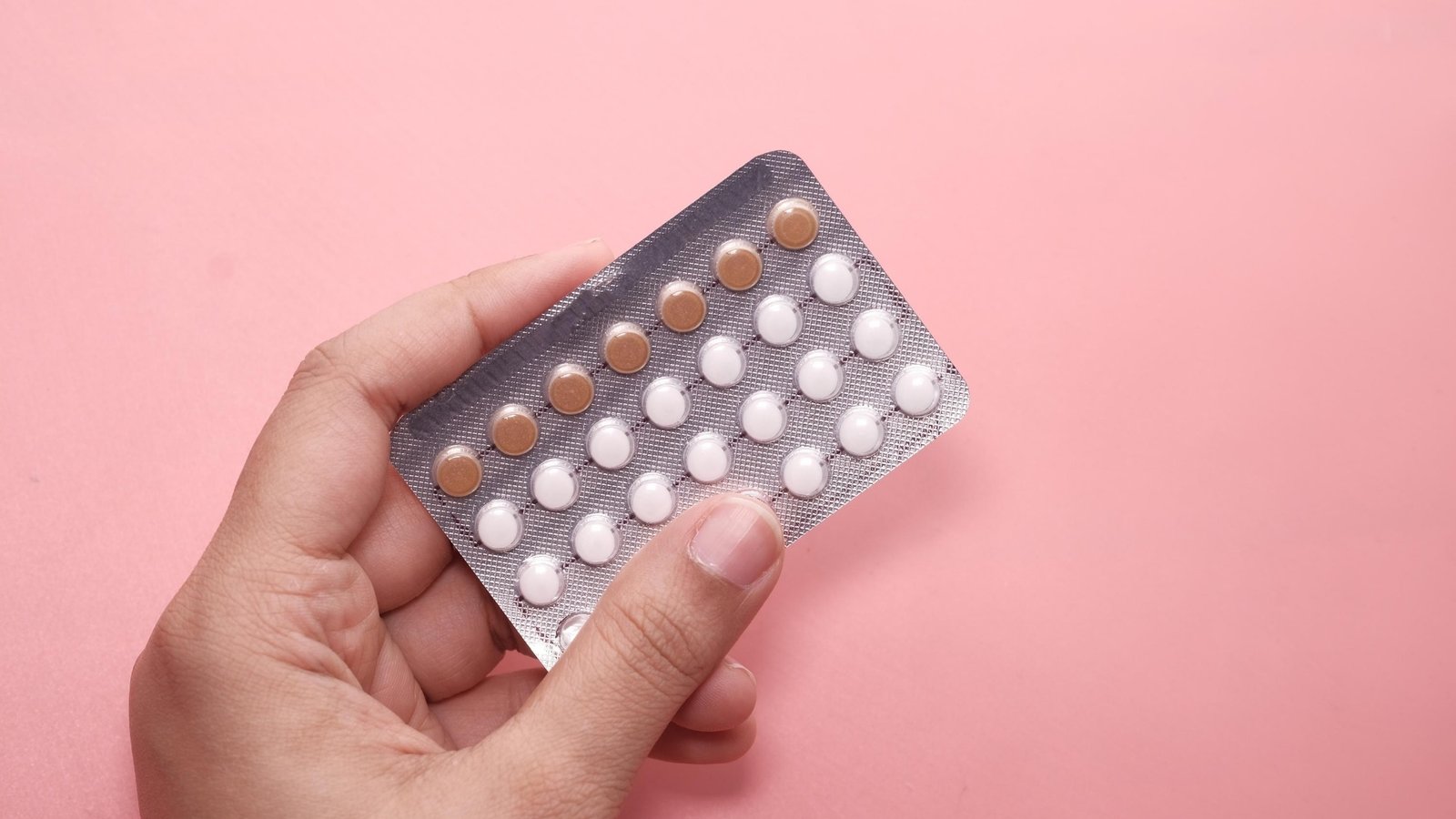
Hormonal birth control works by suppressing ovulation, but it also impacts your gut microbiome and nutrient absorption, particularly of B vitamins, magnesium, and zinc. These changes can influence digestion, mood, and metabolism.
Even if you’re on birth control, tracking symptoms like bloating, fatigue, or skin changes can offer valuable insight into how your gut and hormones are responding. If you decide to stop, hormone testing (DUTCH test) can help rebuild your natural rhythm with targeted nutrition and supplementation.
Nutrition and Lifestyle Foundations for Hormonal Balance
Every woman can benefit from supporting the key pillars of gut health and the menstrual cycle through daily habits:
- Protein: Stabilizes blood sugar and supports progesterone production.
- Healthy fats: (Avocado, olive oil, salmon) for hormone synthesis.
- Fiber: Clears excess estrogen through the gut.
- Magnesium: Calms the nervous system and reduces cramps.
- Zinc & selenium: Support thyroid and ovarian function.
- B vitamins: Improve liver detox and stress resilience.
- Sleep and stress management: Essential for HPO axis regulation.
When these foundations are in place, both your digestion and hormones function more smoothly; reducing PMS, stabilizing mood, and improving energy.
The Takeaway: Your Menstrual Cycle Is a Monthly Report Card
Your menstrual cycle isn’t a nuisance; it’s one of the most insightful windows into your overall health. When your gut is balanced, your hormones can flow in harmony, supporting energy, focus, and emotional resilience. But when your gut is inflamed or sluggish, your hormones feel it first.
By tracking your symptoms, testing your hormones, and nourishing your gut, you can decode your body’s signals and feel empowered in every phase of your cycle.
It’s time to take control of your gut health and menstrual cycle. At NextGeneration Nutrition, we help you uncover the root causes of hormonal imbalance through functional lab testing, personalized nutrition plans, and education that empowers lifelong balance. Ready to restore your rhythm and feel your best all month long?
 Book your free consultation today and start transforming your gut and hormone health from the inside out.
Jessica Mantell, CNS, LDN, MS.Ed
Certified Nutrition Specialist focused on gut health, hormones, and autoimmune conditions.