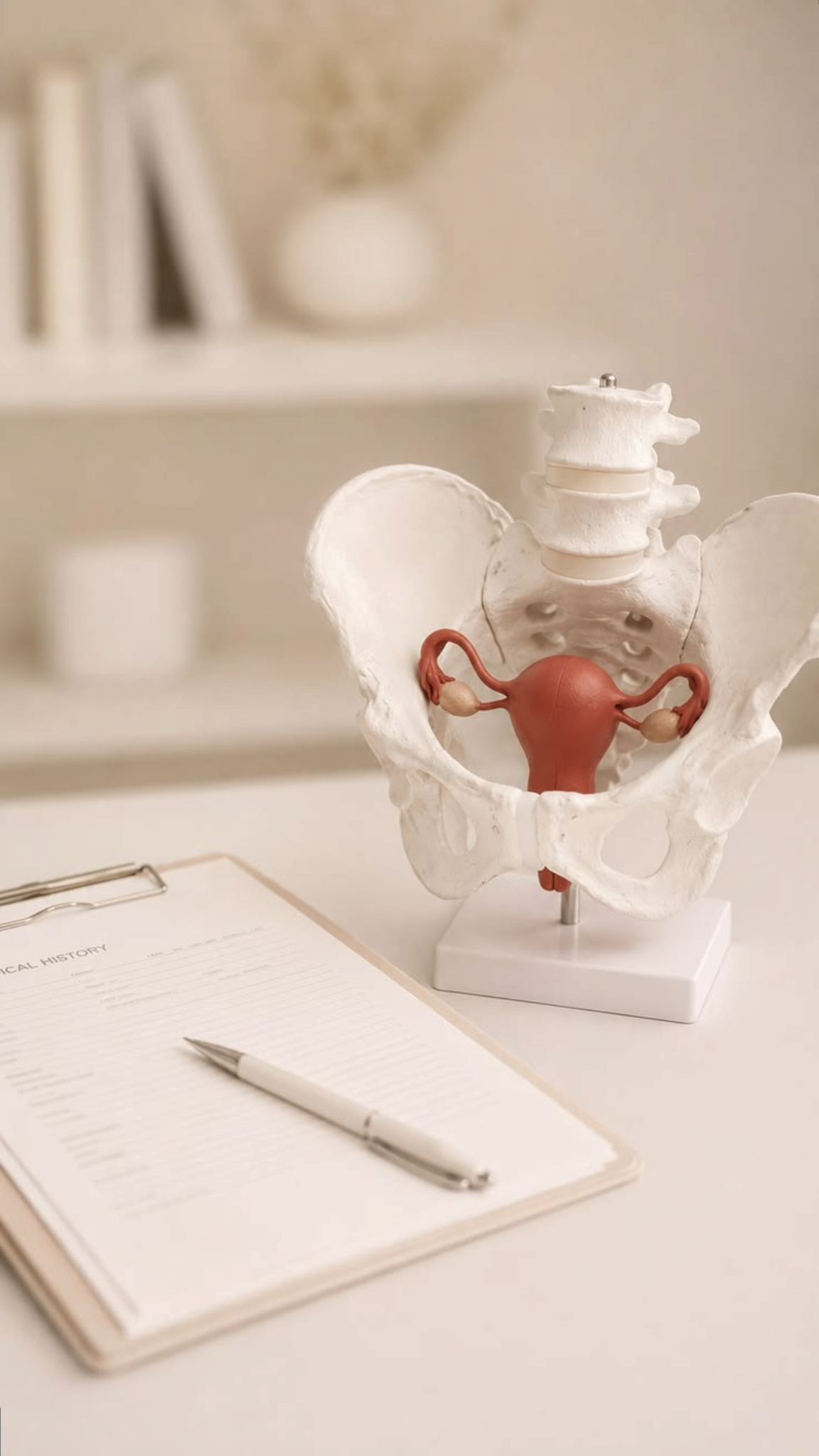
Estrogen Dominance: The Signs Most Women Are Missing
The most commonly missed signs of estrogen dominance include anxiety, brain fog, chronic fatigue, insomnia, low libido, and hair thinning — symptoms that are rarely connected to hormones. Estrogen dominance occurs when estrogen is elevated relative to progesterone, even when standard blood tests look completely normal, and it affects an estimated 50% of women in their 30s and 40s. The four main drivers are xenoestrogen exposure (synthetic chemicals that mimic estrogen), poor gut health, impaired liver detox, and chronic stress that depletes progesterone through the pregnenolone steal pathway.
What Is Estrogen Dominance — And Why Is It So Common?
Estrogen dominance isn’t a diagnosis you’ll typically get from a conventional doctor. It’s a functional medicine concept that describes a state where estrogen is high relative to progesterone: an unhealthy estrogen to progesterone ratio, even if your actual estrogen levels look “normal” on a standard blood test.
Here’s the key: you don’t need excessive estrogen for this to happen. If your progesterone is low, estrogen goes unopposed. Its effects get amplified throughout your entire body, and that’s where the trouble starts.
Research suggests that up to 50% of women in their 30s and 40s experience some degree of estrogen dominance. Given how many factors in modern life push us in this direction (more on those below!!)..that number isn’t surprising.
Estrogen Dominance Symptoms: The Signs Most Women Are Missing
The Obvious Ones
These are the classic red flags for estrogen dominance:
- Heavy, painful, or irregular periods
- Breast tenderness or swelling
- PMS that feels extreme e.g. mood swings, irritability, crying spells
- Water retention and bloating, especially in the week before your period
- Weight gain, particularly around the hips, thighs, and lower belly
- Uterine fibroids or endometriosis
The Ones That Fly Under the Radar
This is where most women are left without answers, because these symptoms rarely get connected back to hormones:
- Brain fog and poor concentration: Estrogen affects neurotransmitter activity, including serotonin and dopamine. When the ratio is off, mental clarity often suffers.
- Anxiety that seems to come out of nowhere: Progesterone has a natural calming effect on the nervous system (it acts on GABA receptors). When it’s low, anxiety can spike — especially in the luteal phase.
- Sleep problems: Trouble falling asleep, staying asleep, or waking up unrested.
- Low libido: Often blamed on stress or relationship issues, but frequently driven by the progesterone-estrogen imbalance.
- Thyroid symptoms that don’t show up on standard labs: Estrogen excess can increase thyroid-binding globulin (TBG), which ties up thyroid hormone and makes it less available even when your TSH looks fine.
- Hair thinning: Diffuse thinning all over the scalp is a common estrogen-related complaint.
- Chronic fatigue: The kind that doesn’t improve with rest and has no obvious explanation.

What Causes Estrogen Dominance
1. Xenoestrogens Are Everywhere
Xenoestrogens are synthetic chemicals that mimic estrogen in the body. You’re exposed to them daily through plastics (BPA, phthalates), conventional produce (pesticide residues), personal care products (parabens), household cleaners, and synthetic fragrances. The cumulative load adds up and your body’s ability to clear them depends on your gut and liver health.
2. Your Gut Has More to Do With It Than You Think
Your gut microbiome contains a community of bacteria called the estrobolome which is responsible for helping metabolize and excrete estrogen. When dysbiosis is present, certain bacteria overproduce an enzyme called beta-glucuronidase, which reactivates estrogen that was on its way out of your body and sending it back into circulation.
Research published in the Journal of Biological Chemistry found that gut microbial beta-glucuronidases can deconjugate estrogen glucuronides, returning estrogen to active form in the bloodstream. A 2023 review in Gut Microbes confirmed that this enzyme is a critical regulator of female estrogen metabolism.
An unhealthy gut doesn’t just cause bloating – it can actively worsen your hormone balance.
3. Your Liver Processes Your Hormones
After use, estrogen heads to the liver for deactivation in two phases. If either is sluggish due to nutrient deficiencies, COMT or MTHFR gene variants, alcohol, or a high toxin load then estrogen metabolites back up in circulation. Key supportive nutrients: B vitamins (B6, B12, folate), magnesium, and sulforaphane from cruciferous vegetables.
4. Chronic Stress “Steals” Progesterone
Both cortisol and progesterone are made from the same precursor: pregnenolone. Under chronic stress, the body prioritizes cortisol… leaving less available for progesterone production. This “pregnenolone steal” is one of the biggest reasons high-stress women in their 30s and 40s feel hormonally depleted.
Estrogen Dominance Diet and Lifestyle Changes
- Reduce xenoestrogen exposure: Glass or stainless steel containers, fragrance-free personal care products, organic produce (especially the Dirty Dozen)
- Eat for liver detox: A targeted estrogen dominance diet includes cruciferous vegetables like broccoli, cauliflower, and Brussels sprouts, which contain DIM to actively support healthy estrogen metabolism
- Feed your estrobolome: A fiber-rich, diverse diet reduces beta-glucuronidase activity; fermented foods help too
- Support methylation: Eggs, leafy greens, legumes, pumpkin seeds, and dark chocolate
- Treat stress management as a hormone strategy: Sleep and nervous system regulation are part of the protocol
When to Get Tested
If you recognize multiple symptoms here, guessing isn’t the answer. Functional testing can reveal your estrogen metabolite ratios, progesterone levels, gut beta-glucuronidase activity, and more. This is exactly what we do at NextGeneration Nutrition.
First step: Grab our free Gut Healing Meal Plan — designed to support digestion, reduce inflammation, and start addressing the gut-hormone connection.
Ready to go deeper? Book a free 15-minute discovery call with Jessica. Your symptoms are real — and they’re not something you just have to live with.
Research Cited
- Ervin SM et al. (2019). Gut microbial β-glucuronidases reactivate estrogens. Journal of Biological Chemistry. PubMed 31636122
- Baker JM et al. (2017). Estrogen–gut microbiome axis. Maturitas. Full text
- Patel S et al. (2021). Gut Microbial β-Glucuronidase in Estrogen Reactivation and Breast Cancer. PMC8388929
- Chen KL & Madak-Erdogan Z. (2023). Gut microbial beta-glucuronidase: a vital regulator in female estrogen metabolism. Gut Microbes. Full text
Written by Jessica Mantell, M.S., LDN — Founder of NextGeneration Nutrition, Miami