How to Improve Gut Health in 30 Days: 5 Game-Changing Daily Habits
Most New Year’s resolutions for digestion and gut health start strong, then real life hits. Busy schedules, stress, and low bandwidth don’t mean you lack discipline; they usually mean the plan was too vague and too dependent on willpower.
Here’s the good news: gut health improves fastest with small, consistent, science-backed habits, not extremes. Your microbiome can begin shifting within 24–48 hours of changing what and how you eat, and in 30 days many people notice real wins: less bloating, more regularity, steadier energy, clearer thinking, and fewer cravings. Below are five evidence-based habits you can start today to create lasting change.
⏰ Habit 1: Meal Timing for Better Gut Health
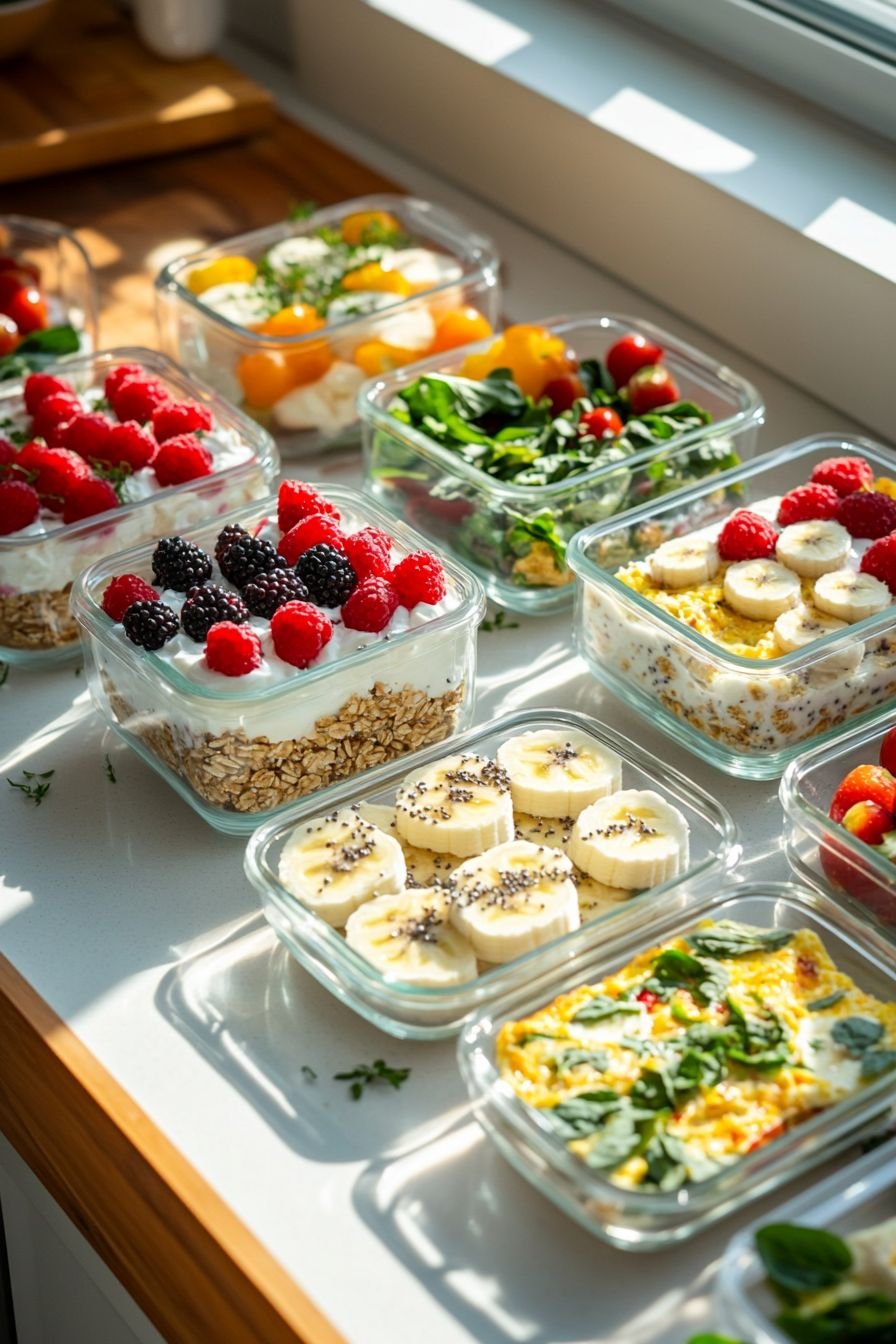
You’ve probably heard of intermittent fasting or time-restricted eating, but here’s the gut-focused angle: your microbiome runs on a circadian rhythm. Certain gut microbes follow a daily rhythm. At predictable times, they ramp up activity and produce beneficial compounds called short-chain fatty acids (SCFAs).). But when your eating schedule is inconsistent: skipping breakfast, snacking late at night, or swinging wildly on weekends, it can throw off microbial activity and normal fermentation patterns.
Try this gut-friendly rhythm:
- Eat your first meal within 1–2 hours of waking
- Finish dinner 2.5–3 hours before bed
- Keep your eating window consistent day-to-day (even on weekends as much as possible)
This isn’t about strict rules. It’s about giving your gut a predictable pattern so it can regulate digestion, motility, fermentation, and blood sugar more efficiently.
🌱Habit 2: Prebiotic Fiber Variety for Gut Health
“Eat more fiber” is good advice. But for gut health, fiber diversity matters as much as fiber quantity. Different microbes eat different fibers, so rotating sources help grow a more diverse, resilient microbiome.
Three high-impact prebiotics to rotate:
- Resistant starch (supports butyrate and gut lining): cooled potatoes/rice, green bananas, lentils/beans
- Inulin (supports Bifidobacteria and immune function): asparagus, chicory root, Jerusalem artichoke
- Pectin (boosts SCFAs and antioxidant activity): apples, citrus, berries
🚀Action step: Aim for 3–5 different prebiotic sources per day and rotate them through the week. If fiber makes you bloated, increase slowly, your gut often needs a gradual ramp-up.
🥑 Habit 3: Bile Flow and Fat Digestion for Gut Health
Fat digestion is one of the most overlooked pieces of gut health. Bile flow helps shape the microbiome, and bile acids do more than break down fat, they also signal microbes and influence inflammation and metabolism.
Signs that fat digestion may be off: bloating after fatty meals, greasy/loose stools, feeling heavy after eating, or trouble absorbing fat-soluble nutrients.
Support bile flow:
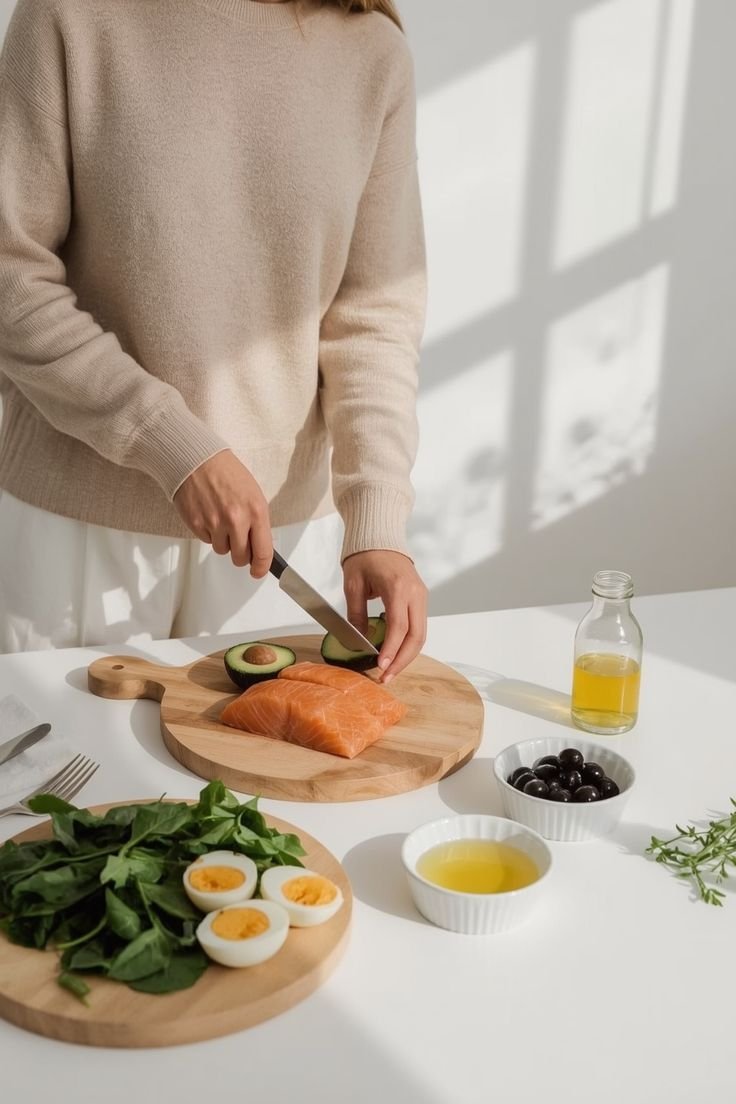
- Healthy fats: olive oil, avocado, nuts/seeds, fatty fish
- Bitter foods: arugula, dandelion greens, radicchio, artichoke
- Timing: try heavier-fat meals earlier in the day if you’re prone to dysbiosis symptoms
It’s not about avoiding fat, it’s about digesting it well to support motility, microbial balance, and nutrient absorption.
🍓Habit 4: Polyphenols for Gut Health (Feed Beneficial Bacteria Naturally)
Polyphenols are plant compounds that largely reach the colon, where they feed and influence your gut microbes. They can act like prebiotics, have antimicrobial effects against certain pathogenic strains, and support a healthier inflammatory balance and gut-brain signaling.
Easy daily sources:
- Berries (fresh or frozen)
- Cocoa or dark chocolate (higher cacao)
- Green tea
- Red grapes
- Herbs/spices: rosemary, oregano, turmeric
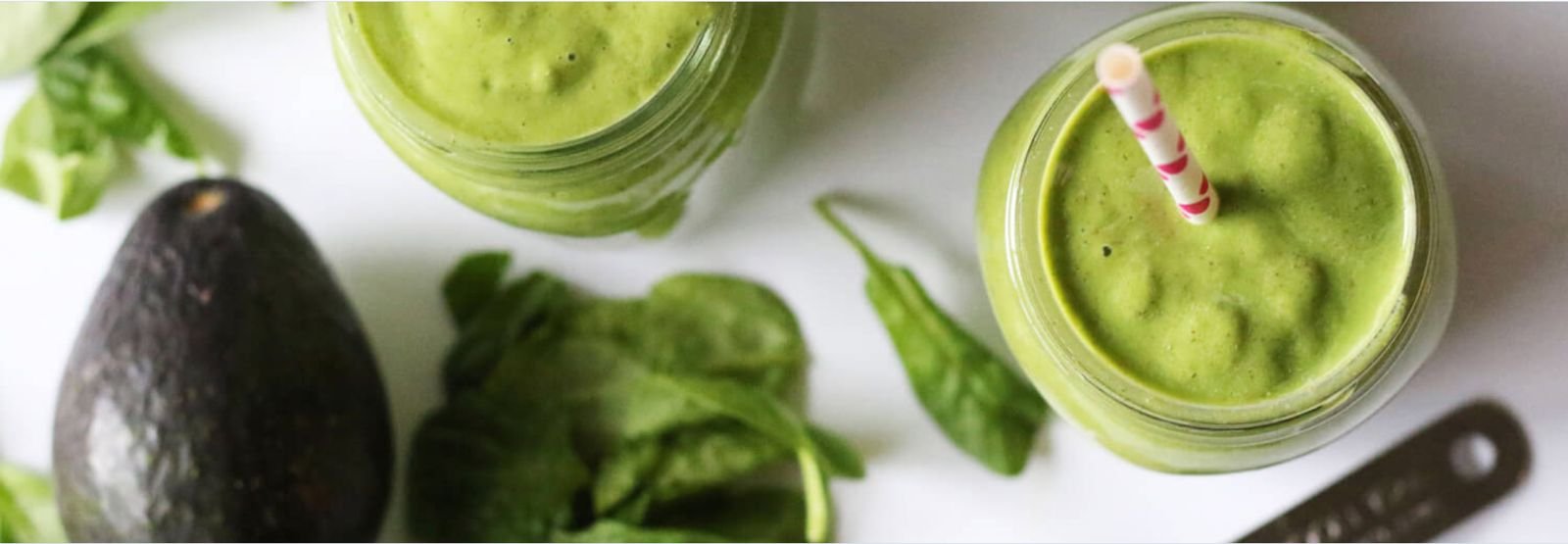
👉 Try this: add one polyphenol-rich snack or meal daily: berries + yogurt, green tea mid-morning, cocoa in a smoothie, turmeric in a soup. These small choices add up fast.
🦠 Habit 5: Digestive Support for Gut Health (Chewing, Stomach Acid, Enzymes)
This isn’t trendy, but it’s foundational for gut health. Your digestive system needs the right “signals” to break food down properly, starting with chewing . Chewing activates saliva enzymes and tells your stomach to produce acid, which supports the entire digestive cascade.
Adequate stomach acid is essential for protein digestion, vitamin B12 and iron absorption, and microbial control (helping prevent overgrowth in the small intestine).
👉 Try this:
- Slow down and chew well
- Skip chugging water with meals (small sips are fine)
- Prime digestion with lemon water or a splash of apple cider vinegar before meals
- If reflux, gas, or bloating persist or food feels like it “just sits”, talk with a qualified clinician about targeted enzyme or HCl support
Your 30-Day Gut Health Reset
You don’t need a full life overhaul, just a simple system you can repeat.
Here’s your 30-day framework:
- Keep meals in a consistent window
- Add 3–5 prebiotic foods daily
- Support bile with healthy fats + bitters
- Include one polyphenol-rich food each day
- Slow down, chew well, and support digestion
If that feels like a lot, start with one habit per week. Track the wins that matter: bloating, bathroom regularity, cravings, sleep, mood, and energy. Your gut doesn’t need perfection, it responds to consistent patterns.
Ready to Stop Guessing?
Download the 30-Day Gut Reset Challenge Calendar for a simple, week-by-week plan you can follow at home.
Want a personalized approach? Book a free consultation with Next Generation Nutrition so we can tailor your gut health plan to your symptoms, labs, and lifestyle.
Your gut can change faster than you think, once you start giving it the right signals🚦.