The Hangover Nobody Talks About: Inflammation, Gut Damage, and What to Do About It
Let’s talk about something that can truly empower you before the holiday parties, weddings, and those “just one glass” nights that turn into three: hangovers. It’s time to rewrite what you think you know about inflammation and hangovers, because the way your body responds to alcohol isn’t random.
A hangover isn’t just dehydration, aging, or bad luck. It’s a multi-system inflammatory response driven by biochemical, hormonal, and gut-related mechanisms that affect your liver, microbiome, blood sugar, brain chemistry, and sleep quality. When you understand the science, you can change how you drink and dramatically improve how you feel the next day.
In this article, we’ll break down why hangovers happen, how inflammation and gut health play a major role, prevention strategies that actually work, and simple recovery steps you can use the next morning.
Why Hangovers Happen: Gut Inflammation and Alcohol Breakdown
Most people assume hangovers are caused by dehydration, but that’s only a small piece of the puzzle. The primary driver behind inflammation and hangovers is acetaldehyde, a toxic compound produced during alcohol metabolism.
Your liver converts alcohol into acetaldehyde and then into acetate, water, and carbon dioxide. When detox pathways are sluggish, nutrient-depleted, or overwhelmed, acetaldehyde lingers and creates oxidative stress and inflammation, and next-day symptoms such as nausea, headaches, sensitivity to light, shakiness, anxiety, and brain fog.
Alcohol doesn’t just affect one organ; it initiates a multi-system inflammatory response that disrupts:
- Gut microbiome
- Liver detox pathways
- Blood sugar regulation
- Brain chemistry
- Hormones
- Electrolytes
- Sleep quality
- Immune function
Acetaldehyde is up to 30 times more toxic than alcohol itself. Drinks with more congeners, additives, sugar, or artificial ingredients, like cheap wine, sugary cocktails, and “bottom shelf” liquor increase the acetaldehyde load and trigger more inflammatory damage. The more acetaldehyde your body has to clear, the more intense the hangover.

Alcohol and the Gut: The Leaky Morning After
Even a single night of drinking can increase intestinal permeability, commonly known as leaky gut. Alcohol irritates the gut lining, allowing lipopolysaccharides (LPS), inflammatory molecules produced by gut bacteria, to leak into your bloodstream. Once circulating, LPS triggers an immune response that contributes to classic hangover symptoms such as:
- Bloating
- Joint aches
- Mood swings
- Irritability
- Fatigue
- Headache
- Anxiety
This is why a hangover often feels mental and physical: your brain is inflamed because your gut is inflamed. When the gut barrier is compromised, inflammatory signaling affects neurotransmitters, stress hormones, and nervous system regulation, increasing anxiety and stress responses the next morning.
If you already struggle with gut health issues like SIBO, IBS, gluten sensitivity, candida, or dysbiosis, alcohol hits harder and recovery takes longer. This gut-inflammation connection is a key reason hangovers vary from person to person and why improving gut health can dramatically reduce hangover severity.
Simple takeaway: if your gut is struggling before you drink, it will struggle even more the next day.
Electrolytes, Blood Sugar, and Sleep: The “Triple Hit”
Alcohol disrupts three major systems that determine how you feel:
1. Electrolyte Depletion
Alcohol acts as a diuretic, causing your kidneys to excrete essential minerals such as sodium, magnesium, potassium, and B vitamins. This electrolyte imbalance leads to weakness, dizziness, irritability, shakiness, and a level of dehydration that plain water alone cannot correct.
2. Blood Sugar Crash
Drinking alcohol triggers a rapid spike in glucose followed by a sharp crash, especially overnight. This rollercoaster sets you up for intense carb cravings, nausea, low energy, and irritability the next morning. Your liver is prioritizing detoxification, which means blood sugar regulation takes a back seat.
3. REM Sleep Disruption
While alcohol may help you fall asleep quickly, it significantly disrupts REM sleep, the brain’s most restorative stage. Reduced REM sleep contributes to next-day anxiety, low mood, fatigue, and brain fog, even if you technically slept for eight hours.
In reality, hangovers are not caused by a single issue. They result from a combined effect of inflammation, gut permeability, electrolyte loss, liver overload, and nervous system imbalance, which is why recovery often feels both physical and emotional.
Why Some People Get Worse Hangovers Than Others
Hangovers vary widely because biology matters. Slow alcohol-metabolizing enzymes, hormonal shifts (especially in the luteal phase), high stress, and histamine intolerance can all intensify inflammation and recovery time. Nutrient deficiencies, particularly low glutathione, magnesium, and B vitamins make clearing acetaldehyde harder. In other words, your hangover isn’t random; it’s chemistry.
The Gut-Smart Way to Drink
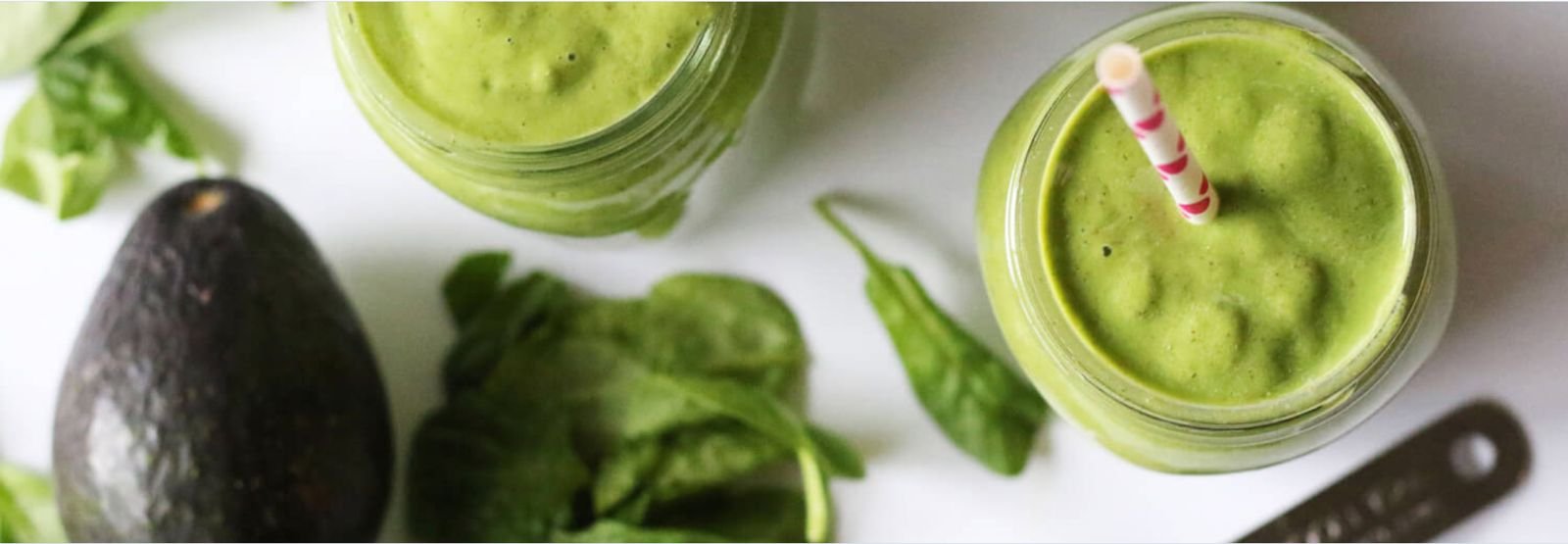
Set yourself up for success by eating a balanced meal before you drink, prioritizing protein, healthy fats, and fiber: think salmon, avocado, eggs, potatoes, nuts, and leafy greens. This reduces alcohol absorption and supports gut integrity.
Choose gut-friendly options such as tequila (100% agave), vodka, gin, dry white wine, or champagne, and minimize heavy histamine beverages like beer, red wine, and sugary cocktails.
Follow the 1:1 rule: for every drink, have one glass of water with electrolytes to maintain hydration and reduce inflammation.
The Morning-After Protocol
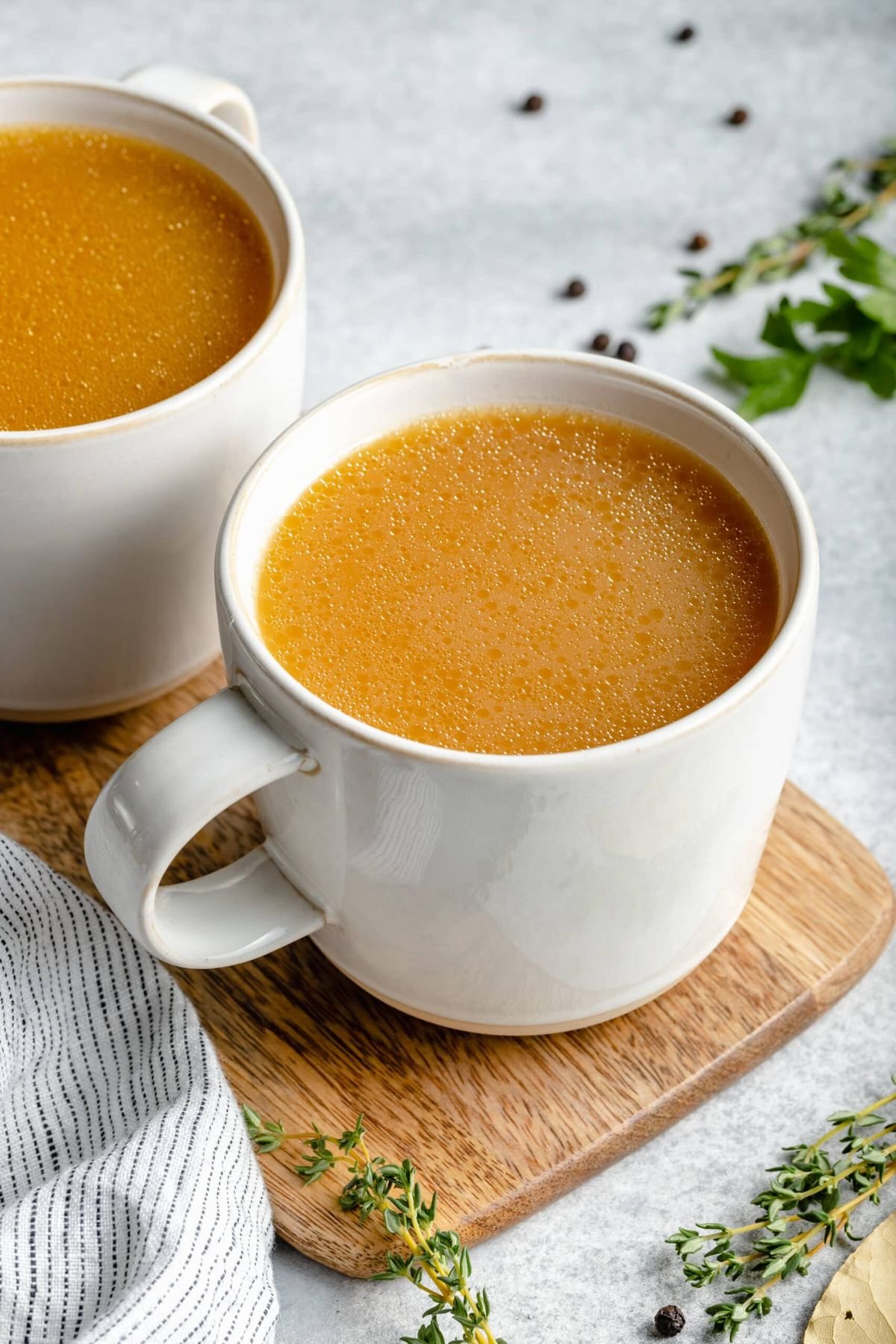
- If you wake up inflamed, start by rehydrating with electrolytes such as LMNT, Liquid IV, coconut water, or simple salt and lemon water.
- Support liver detox with NAC, milk thistle, glutathione, or dandelion.
- Reduce inflammation with turmeric, omega-3s, or ginger tea, and repair the gut lining using L-glutamine, zinc carnosine, collagen, or aloe vera.
- Skip greasy foods and stabilize blood sugar with nourishing options like eggs, oats, turkey, avocado, and berries.
- Finally, take a short 10-minute walk to boost circulation, detoxification, and overall mood.
Prevent Inflammation and Hangovers by Supporting Gut Health
Your hangover isn’t about “getting older”. It’s driven by inflammation, gut permeability, liver overload, mineral loss, and nervous system stress.
Understanding the science behind inflammation, hangovers, and gut health helps you prevent the crash instead of just recovering from it.
Ready to take action? At Next Generation Nutrition, we help you improve gut health, reduce inflammation, balance hormones, and build habits that protect the morning after. Book a free consultation today and let’s create a gut-smart plan that supports your lifestyle and long-term wellness. Your gut deserves to feel good tomorrow. 💛