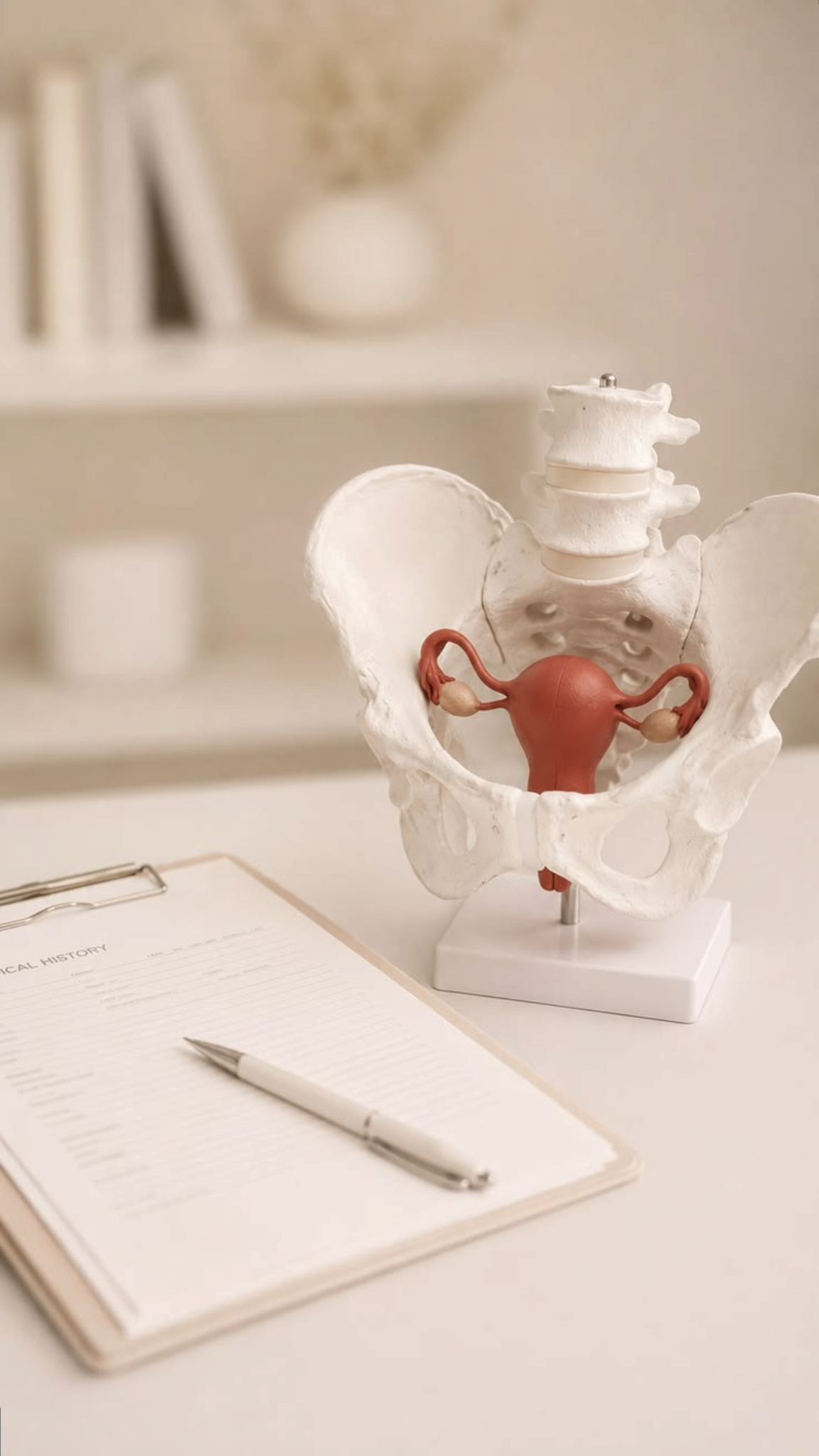
The Hidden Health Consequences of Missing Your Period
Missing your period — clinically known as amenorrhea — has consequences that extend far beyond fertility: it accelerates bone loss (raising osteoporosis risk), impairs cardiovascular health, disrupts mood, sleep, and cognitive function, and signals an underlying hormonal imbalance that affects your entire body. These effects occur because ovulation produces estrogen and progesterone, and when ovulation stops, multiple organ systems lose critical hormonal signals. Common root causes include PCOS, chronic stress, thyroid dysfunction, undereating, and excessive exercise without adequate recovery.
If your period has disappeared or become unpredictable, your body may be trying to tell you something important. Missing periods (also known as amenorrhea) can be caused by a variety of factors, such as hormonal imbalances, stress, thyroid issues, or metabolic changes. Amenorrhea can affect women of all ages and is often an important signal of underlying hormonal imbalance.
Many women assume that it is normal to have irregular or missing periods, especially during times of stress, weight fluctuations, or intense exercise. In reality, your menstrual cycle is a powerful signal of your overall health.
A typical, healthy menstrual cycle is around 21-35 days, with many women averaging around 28 days. When your period becomes irregular or missing, it is often your body’s way of signaling that something may be out of balance.
In this article, we’ll break down:
- Why ovulation and regular menstrual cycles are important for long-term health
- What happens in the body when ovulation stops
- Common causes of irregular or missing periods
- The early signs that your hormones may be out of balance
- What types of testing and lifestyle changes can help restore hormonal balance
Why Missing Your Period Matters Physiologically
Ovulation is much more than a reproductive function. When ovulation occurs, it signals two key hormones: progesterone and estrogen. These two hormones are crucial for supporting several systems throughout the body.
When periods become irregular or missing, it is often an indicator that ovulation isn’t occurring consistently. When ovulation stops and these hormones remain low for extended periods of time, multiple areas of health may be affected.
Some of the most important systems influenced by these hormones include:
Bone health – Estrogen helps maintain bone density. When estrogen is not adequately regulated, bone loss occurs, which increases the risk of osteoporosis later in life.
Heart health – Estrogen supports blood vessels and cholesterol levels
Brain and mood – Estrogen and progesterone have a huge impact on regulating mood, sleep, and cognitive function. Imbalances may lead to brain fog, sleep disturbances, and anxiety.
Metabolism and Energy – Hormones affect metabolism and sugar regulation, which can affect energy levels and overall metabolic health. When hormonal dysregulation occurs, it can affect satiety signals, weight regulation, and overall metabolic health

Common Causes of Missing or Irregular Periods
Let’s break down the different underlying factors that may disrupt ovulation and lead to irregular or missing periods. Identifying the root cause helps determine the most effective treatment and support strategies.
PCOS (Polycystic Ovary Syndrome):
A hormonal condition where the ovaries overproduce androgens (male hormones). This can prevent regular ovulation from occurring and may lead to symptoms such as:
- Irregular periods
- Acne
- Weight changes
- Excess hair growth.
Thyroid imbalances:
The thyroid plays a key role in regulating metabolism and hormone balance.
Both hypothyroidism (low thyroid function) and hyperthyroidism (overactive thyroid) can affect menstrual cycles.
Chronic stress:
Prolonged stress can disrupt hormonal balance and ovulation. When your body is under chronic stress, your brain reduces signals to the ovaries, which can stop ovulation.
Dieting or Undereating:
Inadequate caloric intake can suppress reproductive hormones.
Excessive Exercise
Exercising regularly has countless health benefits. But, training excessively without proper recovery may lead to menstrual irregularities.
Pituitary gland dysfunction:
The pituitary gland is often called the “master gland” because it controls many hormones, including those that regulate the menstrual cycle. The production of LH and FSH is necessary for the ovaries to release estrogen.
Early Signs Your Period May Be Off
Amenorrhea (the absence of a period) is not something that occurs out of the blue. There are often early signs that your body uses to indicate that there may be a hormonal imbalance.
Early symptoms include:
- Irregular cycle lengths
- Changes in menstrual flow (lighter or heavier periods)
- Mood swings or increased anxiety
- Fatigue or low energy
- Sleep disturbances
- Hot flashes or night sweats
- Changes in appetite or weight
Recognizing these symptoms early may help address hormonal imbalances before the menstrual cycle stops completely.
Your Cycle is An Important Health Signal
Tracking your cycle and symptoms is one of the best ways to understand your body:
Important things to take note of:
- Cycle length
- Flow (light, moderate, or heavy)
- Mood
- Energy
- Sleep
- Libido
- Physical changes.
Tracking the patterns for 2-3 months can help determine whether ovulation is occurring regularly and may guide you and your practitioner in identifying underlying causes.
Hormone and Blood Testing
Lab testing can help identify whether the issue may be due to hormonal dysregulation. The following are the most commonly tested hormones:
- Estrogen and progesterone levels – Key reproductive hormones that regulate ovulation.
- Follicle-stimulating hormone (FSH) and luteinizing hormone (LH) – Signals from the brain that control ovulation.
- Thyroid (TSH, T3, T4) – Thyroid imbalances can affect cycle and metabolism
- Prolactin levels – elevated levels can suppress ovulation
Advanced Hormone Testing: The DUTCH Test
The Dutch Test is a comprehensive urine test that gives insight into different biomarkers that are involved in the menstrual cycle including estrogen, progesterone, testosterone, DHEA, and cortisol.
Unlike conventional blood tests, the DUTCH test can offer additional information regarding the production and metabolism of hormones within the body.
It can help evaluate:
- Hormone production and metabolism
- Estrogen detoxification pathways
- Progesterone levels throughout the menstrual cycle
- Cortisol patterns and the body’s stress response
Your Hormones Need Fuel
Hormones depend on nutrients to function properly. Eating balanced meals that include protein, healthy fats, and complex carbohydrates help give your body the energy that is necessary to produce hormones effectively.
Hormone-supportive foods include:
- fatty fish (salmon, sardines)
- Eggs
- Avocados
- Nuts and seeds
- Leafy greens
- Whole grains.
However, quantity is just as important as food quality. Dieting, undereating, or excessive exercise can leave the body chronically underfueled, which may suppress reproductive hormones and interfere with ovulation.
To put it simply, your body needs enough food to feel safe enough to ovulate.
Gut Health and the Microbiome
Your gut does far more behind the scenes than simply digesting food. It also plays an important role in hormone health.
The gut microbiome is actually a colony of bacteria that lives inside your digestive system. Some of these bacteria influence how estrogen is processed and eliminated from your body. A healthy gut flora allows for effective metabolism and clearance of estrogen. Hormonal imbalances can occur when the gut’s normal functioning is disturbed, which can have an impact on estrogen metabolism as well.
What a GI-Map Test Reveals About Your Gut
Functional stool tests like the GI-MAP can be done in order to gain a better understanding of what’s going on in the gut and your digestive health.
This test evaluates:
- The composition of the gut microbiome
- Digestive function and enzyme activity
- Inflammation markers
- The presence of bacteria, yeast, or parasites that may be affecting gut balance
Identifying these causes helps create a personalized nutrition and lifestyle plan to support both gut health and hormone balance.
When Should You See a Practitioner for a Missing Period?
Sometimes temporary stress, travel, illness, or lifestyle changes may cause a woman to miss her period. However, if your period completely stops or your cycle remains unpredictable, it can be a sign that your hormones need further evaluation.
You may benefit from speaking to a medical professional if you experience:
- A missing period for three months or longer
- Periods that are consistently irregular
- Chronic fatigue or low energy
- Sudden weight change or trouble maintaining weight
- Skin changes such as acne or hair thinning
- Mood swings or difficulty sleeping
- Night sweats or hot flashes
A practitioner can help determine whether these symptoms may be related to hormonal imbalance, thyroid dysfunction, gut health issues, chronic stress, or nutrient deficiencies.
Addressing these symptoms early on can help identify the underlying issue and help support a regular menstrual cycle.
Don’t Just Treat the Symptoms – Find the Root Cause.
Irregular or missing periods are often a signal that something deeper may be happening in the body and deserves attention.
Working with a practitioner can help identify the underlying factors that are contributing to hormonal imbalances. A qualified dietitian can help determine why ovulation may not be occurring by checking hormone levels, intestinal health, nutrient status, stress patterns, and metabolic health.
Book an appointment with Next Generation Nutrition to begin identifying and addressing the root cause of your symptoms.
Jessica Mantell, CNS, LDN, MS.Ed
Certified Nutrition Specialist focused on gut health, hormones, and autoimmune conditions.