Bone Broth for Gut Health: 7 Things You Need to Know Before You Buy
The 7 things to know before buying bone broth for gut health are: protein content (look for 8–10g+ per cup), a short and recognizable ingredient list, sodium level, whether bones appear first in the ingredients (not halfway down), absence of fillers or heavy additives, how it compares to homemade quality, and how it fits into a broader gut-healing plan. Bone broth supports gut health through amino acids — glycine, proline, and glutamine — that aid tissue repair and gut lining recovery, but it only delivers these benefits if the product is genuinely collagen-rich rather than flavored stock. Consistency matters more than quantity: a daily cup of a clean, high-protein broth is far more effective than occasional use of a low-quality product.
Bone broth has become a go-to for digestive wellness because it’s warm, simple, and easy to use even on busy days. But anyone who has compared cartons at the store knows the truth: not every product labeled “bone broth” offers the same nutritional value. If the goal is better digestion, stronger immune resilience, and steady energy, the details on the label matter.
Here’s what to know before buying without the hype.
① Bone Broth for Gut Health: Not All Brands are Nutritionally Equal
Some “bone broths” are essentially seasoned stock with minimal protein. The front label can sound convincing, but the nutrition facts and ingredient list tell the real story.
A higher-quality option typically has:
 Meaningful protein (often ~8–10g+ per cup)
Short, recognizable ingredients
Minimal additives
If protein is very low and the ingredient list is long, it may not provide the same benefits people expect from gut health & bone broth routines.
② Clean Bone Broth Ingredients: What to Look For on the Label
For bone broth for gut health, simpler is usually better quality.
Look for:
- Bones (chicken, beef, or mixed)
- Water
- Vegetables, herbs, and spices
- Low salt
Be cautious with added sugar, heavy flavor systems (“natural flavors”), gums, or fillers. Cleaner formulas are often easier to tolerate and easier to use consistently.
③ How Bone Broth Supports Gut Lining & Recovery
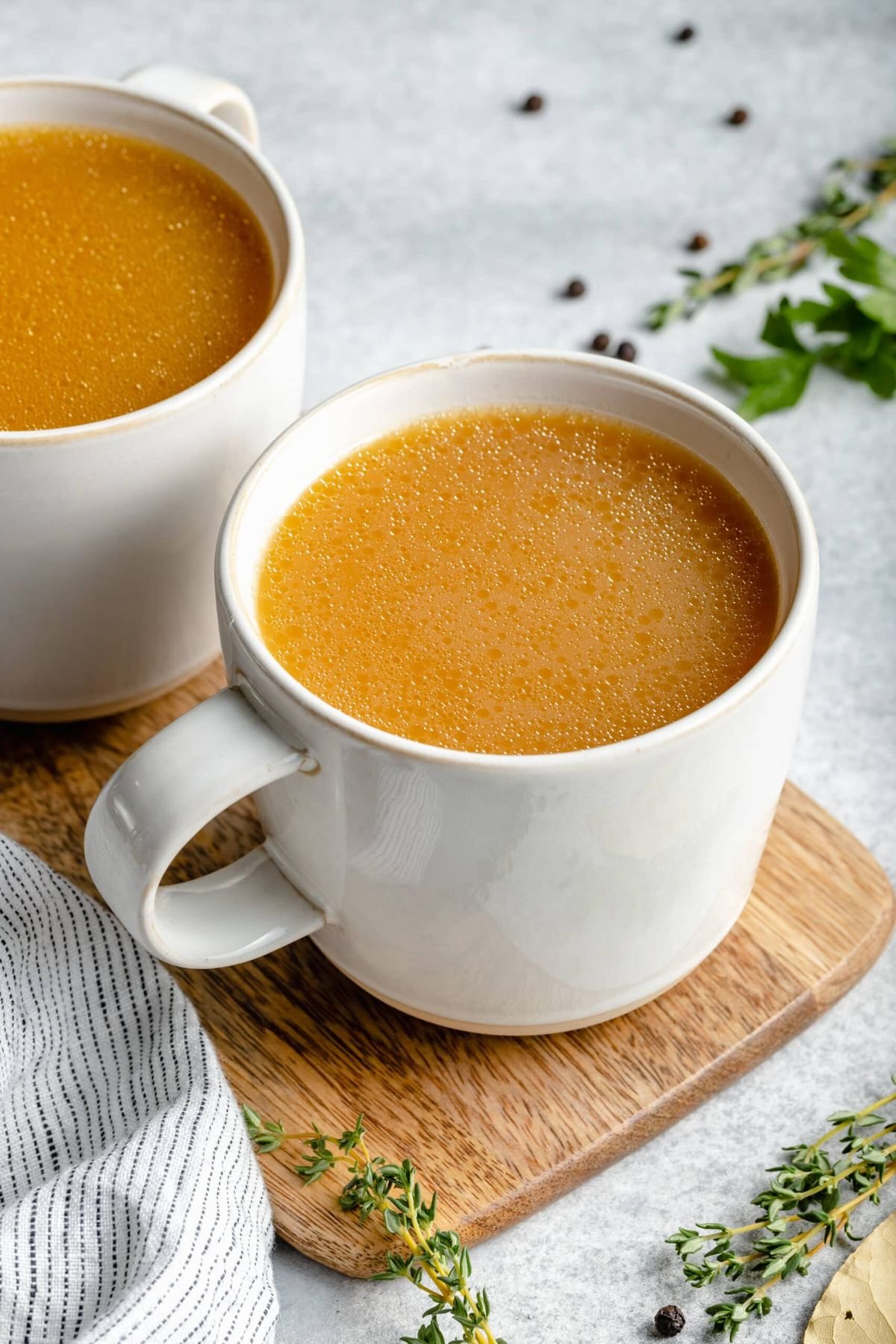
Bone broth provides amino acids like glycine, proline, and glutamine, which play roles in tissue repair and connective tissue support. It’s not a stand-alone fix, but it can be a helpful tool in a gut-supportive plan especially during stress, illness, low appetite, or digestive sensitivity.
Potential benefits include:
- Gentle digestive support
- Hydration support
- Easy-to-tolerate nourishment during recovery, stress, illness, or low appetite
- A practical protein support between meals
Consistency matters more than intensity. Small daily use is generally more effective than occasional, inconsistent use.
④ Bone Broth Sodium: How to Pick the Best Option for Your Needs
Sodium levels vary widely across brands and flavors. This is especially relevant for individuals managing blood pressure, fluid retention, or overall sodium intake.
Best practice:
- Compare labels across multiple brands
- Choose lower-sodium or unsalted if drinking it regularly
- Season at home for better control
A “healthy” bone broth should support your goals, not quietly work against them.
Look for bone broth where “bones” show up immediately in the ingredients (not halfway down the label), it’s a quick clue you’re getting a true bone-based product, not just flavored stock.
Here are a few high-quality bone broth brands to consider:
- Bare Bones Organic Low Sodium Bone Broth (beef/chicken)
- Bonafide Provisions “No Salt” Bone Broth (beef/chicken)
- Pacific Foods Organic Unsalted Bone Broth (beef/chicken)
- Kettle & Fire Reduced Sodium Bone Broth (beef/chicken)
Reminder: brands sometimes change formulas, always re-check the current carton.
⑤ Homemade vs Store-bought Bone Broth
Both can work. The best choice is the one that supports consistency.
Homemade advantages:
- Full control over ingredient quality and sodium
- Often richer texture when properly prepared
- Easy to customize flavor and sodium control
Store-bought advantages:
- Fast and convenient
- Easy to keep on hand for routine use
- Useful for travel, busy weeks, or low-energy days
A hybrid approach is realistic: homemade when possible, clean store-bought options when time is limited.
 How to Make Homemade Bone Broth
⑥ Best Time to Drink Bone Broth for Gut Health
There is no single “perfect” time to drink bone broth. The best time is when it can be repeated daily.
Common options:
- Morning, when appetite is low
- Mid-afternoon, as a more nourishing alternative to ultra-processed snacks
- Before meals, to support meal rhythm
- Evening, as a calming, warm option
A practical starting point is 1 cup daily, then adjust based on tolerance and needs.
⑦ Using Bone Broth in a Complete Gut-Healing Plan
Chronic inflammation is often fueled by gut permeability, blood sugar swings, poor sleep, and high stress. Bone broth can be one supportive tool, but it works best when paired with the foundations that reduce inflammatory load: fiber diversity, steady protein, balanced meals, and recovery-focused sleep.
For stronger results, combine bone broth with:
- Fiber diversity from vegetables, fruit, legumes, nuts, and seeds (as tolerated)
- Adequate daily protein
- Hydration and electrolytes
- Regular meal timing
- Stress and sleep support
This is where gut health and bone broth become clinically useful: not as a trend, but as part of an integrated routine.
Quick Checklist: What to Look for Before Buying Bone Broth
Protein is meaningful per serving
Ingredient list is short and recognizable
No added sugars
No unnecessary fillers or heavy additives
Sodium fits personal health needs
If these boxes are checked, the product is more likely to support digestive and immune goals.
Key Takeaways
Bone broth can support gut health as a simple daily habit that supports hydration, protein intake, and recovery. When the gut is supported, immune balance and inflammation often improve, so bone broth can fit into a broader plan. For best results, pair it with fiber diversity (as tolerated), adequate protein, steady blood sugar, and strong sleep + stress support. Homemade or store-bought both work, choose what you’ll use consistently.
Want a complete gut-healing plan tailored to your symptoms, labs, and lifestyle? Book a free consultation with Next Generation Nutrition for a realistic, effective gut health strategy, including how to use bone broth in a way that’s effective and sustainable.
Jessica Mantell, CNS, LDN, MS.Ed
Certified Nutrition Specialist focused on gut health, hormones, and autoimmune conditions.