On a GLP-1? Here’s What Your Body Actually Needs to Eat Now
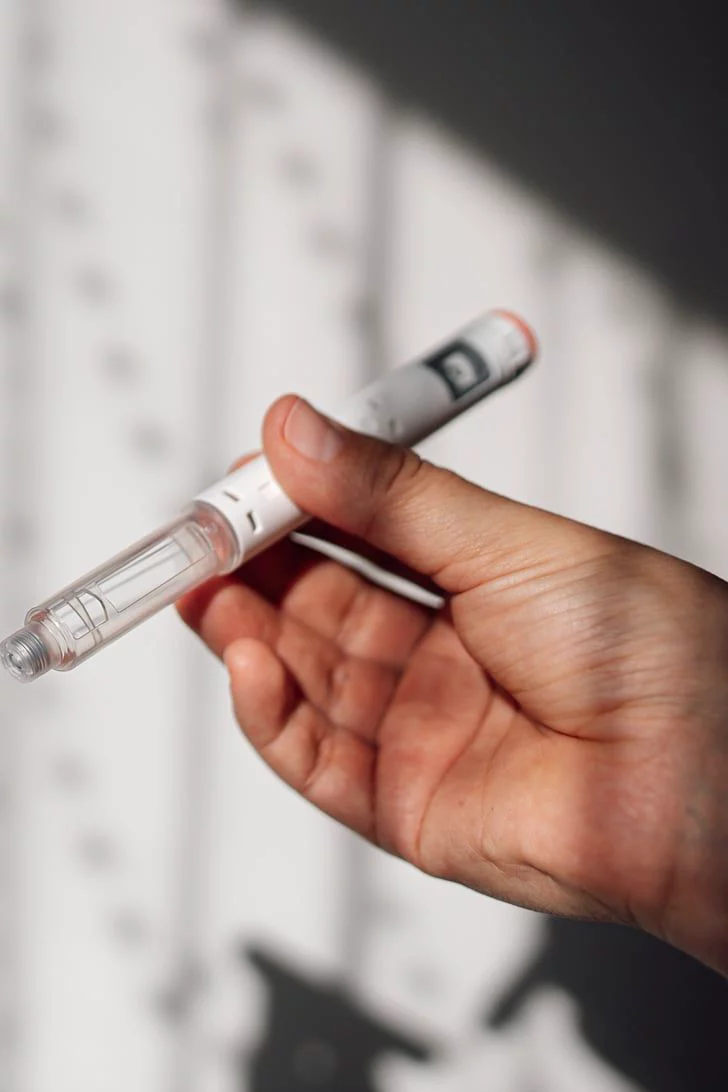
If you’re taking a GLP-1 medication like semaglutide (Ozempic, Wegovy) or tirzepatide (Mounjaro, Zepbound), you already know the basics. Your appetite is smaller. You feel full faster. The scale is moving.
But here’s something I see all the time in my practice: people are so focused on eating less that they stop thinking about eating well. And that’s where things go wrong.
GLP-1s are powerful tools. I’m not here to talk you out of them. But without the right nutrition behind them, these medications can quietly work against you, even while the number on the scale goes down. So let’s talk about what your body actually needs right now.
What GLP-1 Medications Actually Do
GLP-1 receptor agonists copy a natural gut hormone. They tell your brain you’re full, slow down digestion, and help keep blood sugar steady. The result is that you eat less and lose weight.
Here’s the part most people don’t realize, though. Your body doesn’t only burn fat when you’re eating less. It also breaks down muscle. And the more muscle you lose, the slower your metabolism becomes over time.
That’s the opposite of what we want for you long-term. And it’s exactly why what you eat on a GLP-1 matters just as much as the medication itself.
Protein: You’re Probably Not Getting Enough
This is the number one thing I talk to my clients about when they start a GLP-1. And it’s also the most common gap I see.
When your appetite drops, heavy foods are usually the first to go. Chicken, eggs, beans. They feel like too much. So people end up reaching for lighter, easier options, and protein intake quietly falls off.
The problem is that protein is what protects your muscle. Without enough of it, your body has no choice but to break down lean tissue along with fat.
The research is clear on this: you need between 1.2 and 2.0 grams of protein per kilogram of body weight daily when eating in a calorie deficit. For a 170-pound woman, that’s roughly 92 to 154 grams of protein per day. Most people don’t get close to that, even on a normal diet.
Why This Goes Beyond the Scale
Muscle isn’t just about how you look. It controls blood sugar, supports bone health, and keeps your metabolism running strong. We know from clinical trials that about 20 to 30% of weight lost on semaglutide can be muscle, not fat. That’s a significant amount.
And here’s the long-term risk: when people stop the medication without having protected their muscle, the weight often comes back fast, mostly as fat. It becomes a cycle that’s really hard to break.
What Helps
- Add a protein source to every meal and snack, even small ones
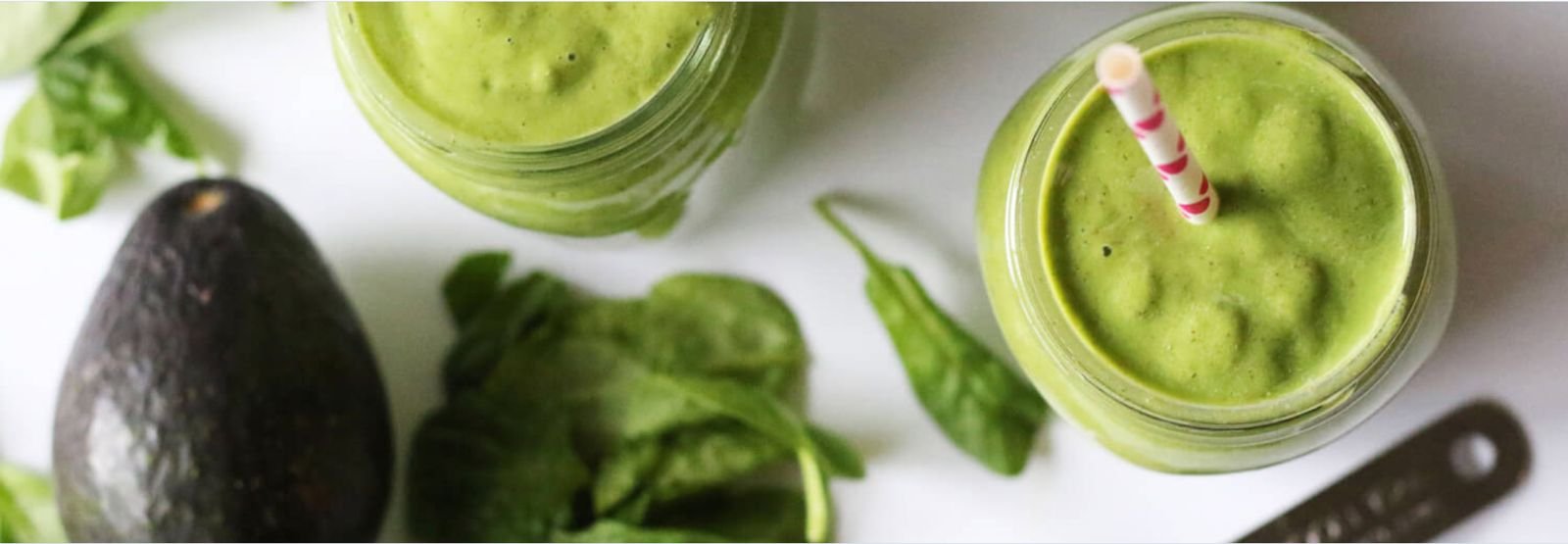
- When nausea hits, go for easy options: Greek yogurt, eggs, cottage cheese, or a protein smoothie
- Spread protein across the day. Your body uses about 25 to 40g per meal for muscle repair
- If whole foods aren’t enough, a quality protein supplement can fill the gap
Fiber: The Side Effect Nobody Warns You About
Constipation is one of the most common things my clients on GLP-1s complain about. And honestly, it makes complete sense. These medications slow how quickly food moves through your gut. That’s part of why you stay full longer, but it also means digestion slows way down.
What makes it worse is that most people aren’t eating enough fiber to begin with. I see this constantly. And when fiber intake is low AND digestion is already sluggish, things can get really uncomfortable.
Beyond the constipation issue, fiber does a lot for your body. It feeds the good bacteria in your gut, which help reduce inflammation and support your immune system. It also helps steady blood sugar, which works really well alongside what GLP-1s are already doing.
The goal is 25 to 35g of fiber per day. Most people are getting about half that.
What Helps
- Add fiber slowly to avoid bloating, especially at the start
- Focus on soluble fiber first: oats, chia seeds, flaxseeds, lentils, apples, pears
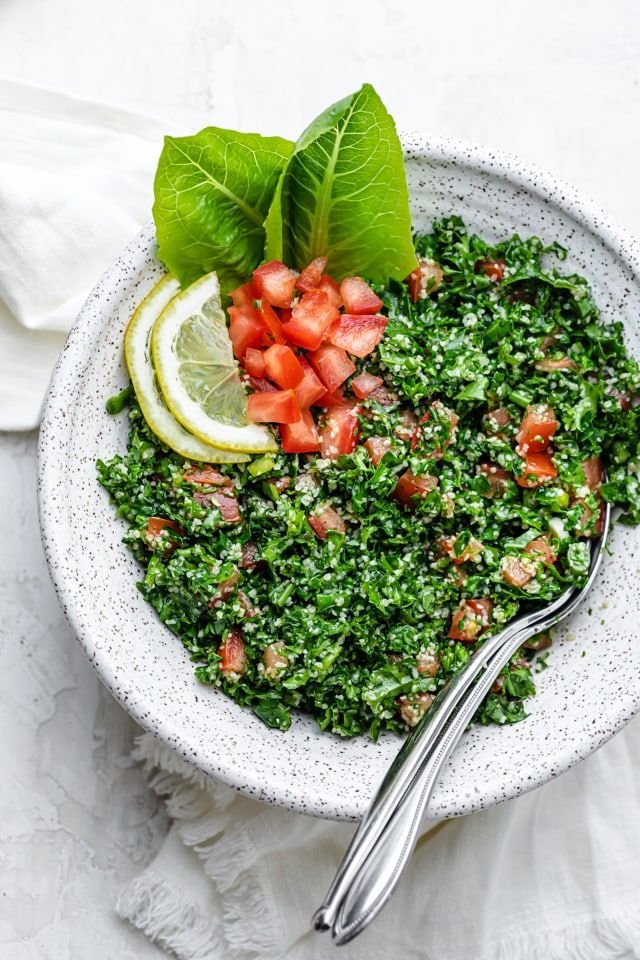
- Also include insoluble fiber: leafy greens, broccoli, whole grains
- Drink enough water. Fiber really doesn’t work well without it
- Spread fiber across all your meals rather than loading it all at once
Muscle Loss: Why Exercise Can’t Wait
I want to come back to muscle loss, because this is something I feel really strongly about.
A lot of people think cardio is enough. Walk more, move more, done. But when it comes to protecting muscle during weight loss, resistance training is what actually moves the needle.
We’re talking about squats, rows, push-ups, lunges. Exercises that challenge your muscles and give your body a reason to hold onto them. Clinical research currently underway is specifically studying whether pairing resistance training with higher protein can protect lean mass during GLP-1 treatment. And what we already know from the broader literature strongly supports it.
You don’t need to become an athlete. But you do need to lift something regularly.
What Helps
- Aim for resistance training 2 to 3 times per week. Weights, bands, machines, or bodyweight all count
- Prioritize exercises that work multiple muscles at once: squats, rows, push-ups, lunges
- Stay consistent. Shorter regular sessions beat long occasional ones
- Pair this with your protein goals for the best results
Vitamins and Minerals: Eating Less Means Getting Less
Here’s something that often surprises my clients. When your food intake drops, so does your intake of vitamins and minerals. It’s just simple math.
People on GLP-1s are at real risk for low levels of B12, iron, zinc, magnesium, calcium, and vitamin D. These aren’t small concerns. They affect your energy, your thyroid, your immune system, your bones, and your brain.
I actually see a lot of overlap here with what we know from bariatric surgery patients, who also eat much less after their procedure. The same nutritional gaps show up. And the same approach helps fix them.
What Helps
- Take a high-quality multivitamin designed to cover higher nutrient needs
- Pay special attention to B12, magnesium, zinc, and vitamin D, all commonly low even without a GLP-1
- Choose nutrient-dense foods in every meal: eggs, leafy greens, beans, nuts, seeds, fatty fish
- Work with a dietitian to check for individual gaps and supplement where needed
What a Day of Eating on a GLP-1 Could Look Like
Your portions are smaller now, so every meal needs to count. Here’s a simple framework I often share with clients.
- Morning: A high-protein breakfast. Greek yogurt with chia seeds and berries, or 2 to 3 eggs with sautéed greens
- Midday: Protein and fiber together. Grilled chicken or salmon with a salad, lentil soup, or a grain bowl with beans
- Afternoon: A simple protein snack if you’re hungry. Cottage cheese, a hard-boiled egg, or a smoothie with protein powder and spinach
- Evening: A balanced dinner. Lean protein, cooked vegetables, and a small serving of whole grains or starchy vegetables
- All day: At least 2 liters of water. Both fiber and protein work better when you’re well hydrated
GLP-1s Are a Tool. Your Nutrition Is the Strategy.
I say this with so much respect for these medications: they are not a complete plan on their own. The people I see get the best, most lasting results are the ones who use their GLP-1 as a starting point and build real nutrition habits around it.
Protein, fiber, strength training, and key nutrients aren’t extras. They’re what makes the results stick when the medication eventually changes or stops.
If you’re on a GLP-1 and not getting nutrition support, you may be losing weight right now without building the foundation to keep it off.
Ready to get more out of your GLP-1? Book a free 15-minute discovery call with me. I work with women at every stage of their GLP-1 journey to build a plan that actually lasts.
And grab our free Gut Healing Meal Plan, a great starting point for improving digestion and hitting your protein and fiber goals every day.
Research Cited
- Basolo A et al. (2025). Suboptimal protein intake for hypocaloric diet needs while using GLP-1 receptor agonists. PMC. https://www.ncbi.nlm.nih.gov/pmc/articles/PMC12419545/
- Koliaki C et al. (2025). Nutrition support whilst on GLP-1 based therapy. Is it necessary? PubMed. https://pubmed.ncbi.nlm.nih.gov/40401903/
- Pilitsi E et al. (2025). Diet quality and nutrient distribution while using GLP-1RA. PMC. https://pmc.ncbi.nlm.nih.gov/articles/PMC12369429/
- Thomas DT et al. (2025). Dietary supplement considerations during GLP-1RA treatment. PMC. https://pmc.ncbi.nlm.nih.gov/articles/PMC12685510/
- Dent JR et al. (2025). LEAN-PREP study: lean mass preservation with resistance exercise and protein during semaglutide/tirzepatide therapy. PMC. https://pmc.ncbi.nlm.nih.gov/articles/PMC13110620/
- Bridging the nutrition guidance gap for GLP-1RA therapy. International Journal of Obesity (2025). https://www.nature.com/articles/s41366-025-01952-w
- GLP-1 agonists and changes in body mass and composition: systematic review and meta-analysis. International Journal of Obesity (2026). https://www.nature.com/articles/s41366-026-02088-1
Written by Jessica Mantell, M.S., LDN, Founder of NextGeneration Nutrition, Miami